Why it's trending
The sudden interest in meteor showers is driven by the impending peak of the Perseids on Aug. 12, which multiple outlets are promoting as near-perfect due to a new moon. The fact that the same date brings a rare total solar eclipse over Europe amplifies media coverage. Articles from Boston Globe (July 28) and National Geographic are likely published now to give readers advance notice, triggering search interest as people plan their stargazing.
The upcoming meteor showers are led by the Perseids, which the Boston Globe calls 'the best meteor shower of the year.' The shower peaks on the night of Aug. 12, with a predicted 50 to 100 meteors per hour, according to Francine Jackson, staff astronomer at Brown University’s Ladd Observatory. This year’s peak is especially favorable because the moon is new that day, leaving dark skies. Adding to the buzz, Aug. 12 is also the date of a total solar eclipse, though its path of totality crosses the Arctic, Greenland, Iceland, and northern Spain, not North America.
Cross-verifying across sources, National Geographic similarly describes August as having 'near-perfect Perseid meteor shower conditions' and an 'exceptional lineup' of sky events. Space.com’s coverage focuses on planetary activity, noting Venus dominates the evening sky and that Mercury and Jupiter will meet in a dawn conjunction around mid-month. None of the sources contradict the meteor rate forecast, though it is an estimate. The alignment of the Perseid peak with a new moon and a solar eclipse is consistently highlighted, making this a rare confluence.
The build-up to the peak begins early in August. National Geographic reports Mercury reaches greatest western elongation on Aug. 2, a lunar occultation of the Pleiades occurs after midnight on Aug. 7, and a tight morning alignment of Jupiter, Mercury, Mars, and the moon appears Aug. 8-11. These events lead into the Aug. 12 climax, after which Venus reaches greatest elongation on Aug. 15 (Space.com) and a deep partial lunar eclipse occurs on Aug. 27-28 (Boston Globe). The Perseids themselves are an annual event, but this year’s timing provides optimal viewing conditions.
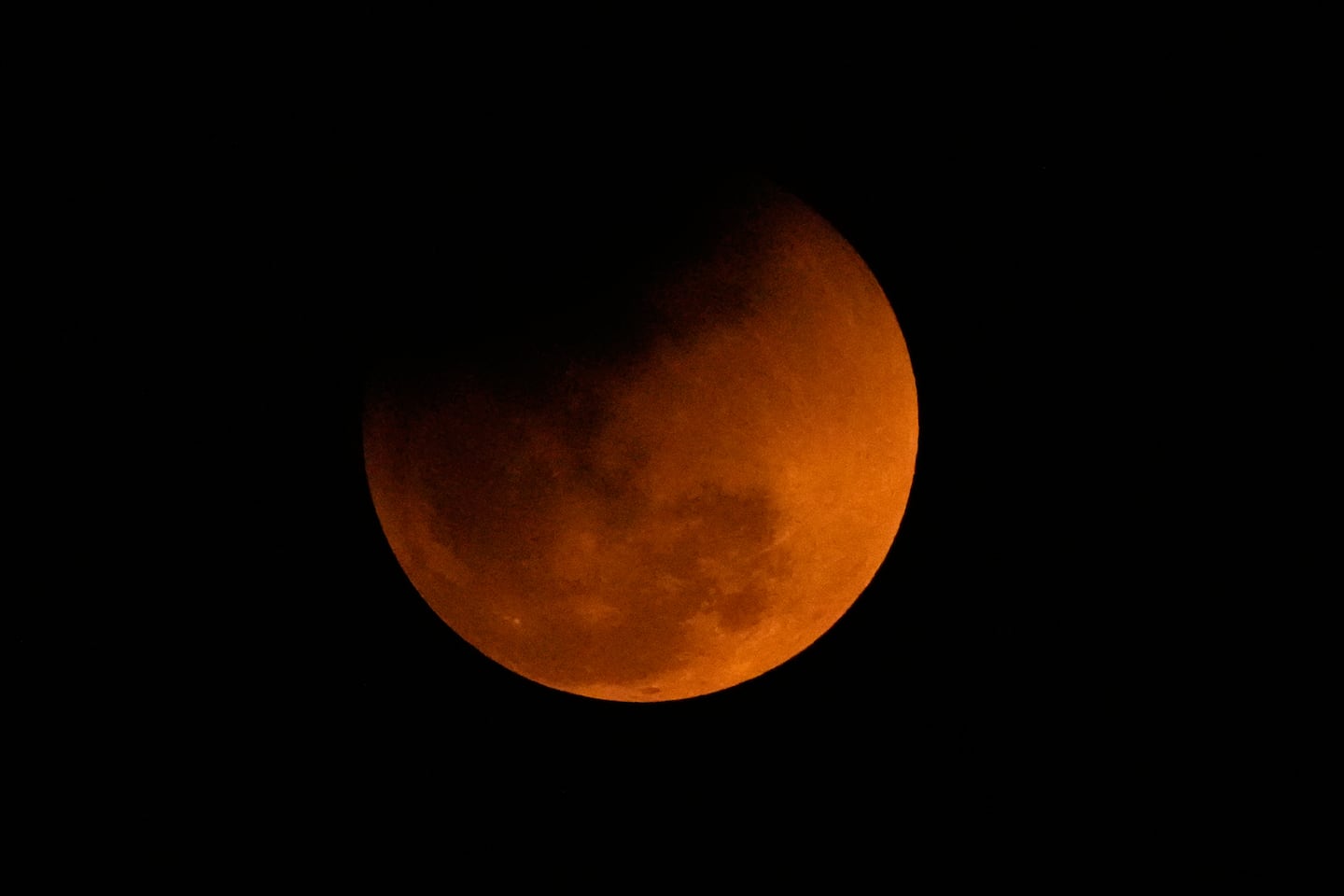
For those hoping to catch the Perseids, no special equipment is needed—just a dark sky and a comfortable spot, as Jackson notes. The solar eclipse, however, requires eye protection; the Globe warns that viewing it with the naked eye is dangerous. After Aug. 12, the lunar eclipse on Aug. 27-28 will offer another dramatic sight, with 96% of the moon in Earth’s shadow and a 'blood moon' glow. With clear skies, August 2026 promises to be a memorable month for casual observers and serious astronomers alike.
Timeline
- Mercury at greatest western elongation
Mercury reaches its farthest apparent separation from the sun, making it easier to spot in the pre-dawn sky, according to National Geographic.
- Moon and Saturn pair up
The moon and Saturn travel close together, visible soon after twilight, reports National Geographic.
- Lunar occultation of the Pleiades
The waning crescent moon crosses over several stars in the Pleiades cluster for about an hour after midnight, as seen from many U.S. locations (National Geographic).
- Morning planet alignment
Jupiter, Mercury, Mars, and the moon appear in a diagonal line above the east horizon before sunrise, forming a visual representation of the ecliptic, according to National Geographic.
- Perseid meteor shower peak and total solar eclipse
The Perseids peak with 50-100 meteors per hour, with a new moon ensuring dark skies (Boston Globe). The same date brings a total solar eclipse through the Arctic, Greenland, Iceland, and northern Spain, the first visible from mainland Europe in 27 years (Boston Globe).
- Venus at greatest eastern elongation
Venus is 46 degrees east of the sun, but appears lower in the west-southwest horizon due to its southerly declination, notes Space.com.
- Deep partial lunar eclipse
96% of the moon enters Earth's umbra, giving it a reddish blood-moon glow at its peak, according to the Boston Globe. The event coincides with August's full Sturgeon Moon.
Questions people ask
When exactly do the Perseid meteor showers peak?
The Boston Globe reports the Perseids peak on the night of Aug. 12, with the best viewing after dark. Astronomer Francine Jackson predicts 50-100 shooting stars per hour.
Do I need special equipment to see the meteor shower?
No. The Boston Globe quotes Jackson saying it's easy to lie on the grass or a chaise lounge and watch, without needing to dress for an Arctic expedition. No binoculars or telescopes are mentioned for the Perseids. However, the solar eclipse on the same day does require eye protection.
Why is this year's Perseid peak considered so good?
Because the moon is new on Aug. 12, skies will be dark throughout the night, which is rare. The Boston Globe notes this means the shower can be seen in full, rather than having meteors washed out by moonlight.
Will the total solar eclipse be visible from the United States?
Only a partial eclipse will be seen from New England, with about 14% coverage beginning around 1:02 p.m. EDT, according to the Boston Globe. The path of totality is in the Arctic, Greenland, Iceland, and northern Spain. The Globe cautions that eye protection is mandatory.
Join the conversation 0
Comments are reviewed before publishing.