Why it's trending
The sudden pause in US strikes on Iran after nearly two weeks of daily attacks, coupled with Trump's claim of 'friendly negotiations' and conflicting statements from Tehran, has sparked intense interest in the potential for de-escalation or renewed conflict.
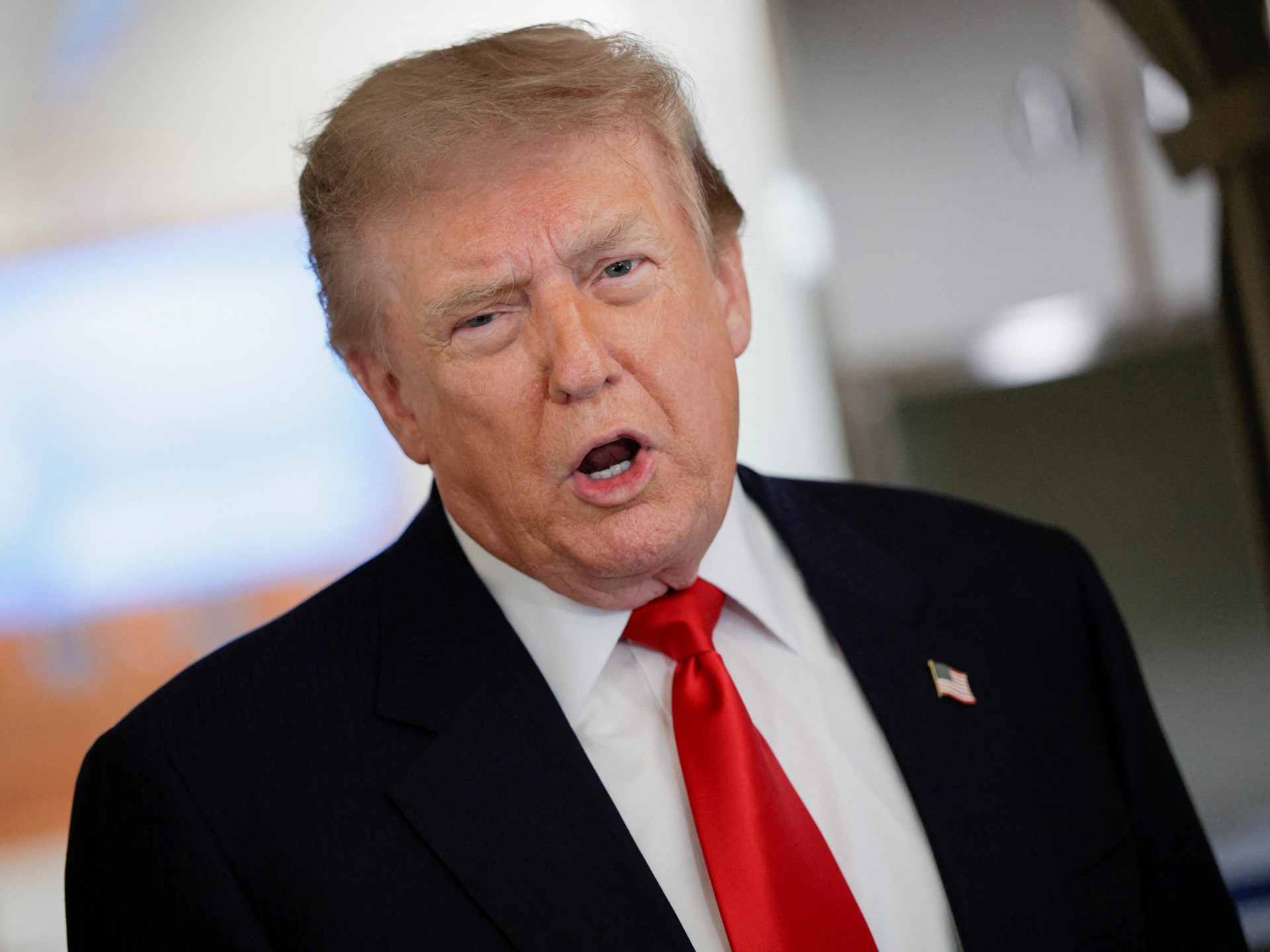
President Donald Trump said Monday that 'very friendly negotiations' are underway with Iran to end the conflict, after the warring sides did not exchange strikes for a third straight day. Speaking to reporters aboard Air Force One, Trump expressed optimism about a resolution but warned that Washington would return to 'very strong military action' if diplomacy fails, according to the BBC and The Guardian.
The pause in US strikes began Friday, ordered by Trump at the request of mediators. The Guardian reported that Oman and Iran are nearing an agreement on management of the Strait of Hormuz, including a demand for transit fees, and that progress in those talks contributed to the US decision to pause attacks.
Iranian foreign ministry spokesperson Esmaeil Baqaei denied any direct negotiations, stating that 'mediators may convey messages from the American side to us' but that no talks are taking place. The conflicting messages have created uncertainty over the status of diplomacy.
The conflict, which began in late February with a wave of US-Israeli strikes, has disrupted global oil markets. On Monday, oil prices fell more than 9% to $87.59 a barrel on hopes of de-escalation. Trump dismissed reports of low ammunition stockpiles, saying the US has 'a lot' of munitions and that defense contractors are producing more.
Analysts say the outcome of the talks—whether direct or mediated—could determine the future of the Strait of Hormuz, a critical waterway for global oil shipments. The US military previously stated its strikes aimed to 'degrade Iran's ability to threaten commercial shipping' there.
Timeline
- Wave of US-Israeli strikes on Iran
The US and Israel launched a series of strikes against Iran, beginning the conflict. (Source: The Guardian)
- Ceasefire struck
A ceasefire was agreed between the US and Iran, halting hostilities temporarily. (Source: BBC)
- Renewed strikes and tit-for-tat attacks
Daily US strikes and Iranian retaliatory attacks resume, effectively unravelling the June ceasefire. (Source: BBC)
- Trump orders pause in US strikes
President Trump pauses US strikes on Iran at the request of mediators, citing a chance for talks. (Source: BBC)
- Trump announces 'friendly negotiations'
Trump tells reporters on Air Force One that 'very friendly negotiations' are ongoing. Iran denies direct talks. Oil prices drop 9%. (Sources: BBC, The Guardian)
Questions people ask
What started the US-Iran conflict?
The conflict began in late February 2026 with a wave of US-Israeli strikes targeting Iran's ability to threaten commercial shipping in the Strait of Hormuz, according to the US military (BBC).
Why did the US pause strikes?
President Trump ordered a pause on Friday, July 24, at the request of mediators who asked him to give talks another chance (BBC). Progress in Omani-Iranian talks on managing the Strait of Hormuz also contributed (The Guardian).
Are the US and Iran actually negotiating?
Trump says 'very friendly negotiations' are ongoing, but Iran's foreign ministry denies direct talks, stating that mediators may convey messages between the two sides (The Guardian).
What is the Strait of Hormuz and why is it important?
The Strait of Hormuz is a narrow waterway between Oman and Iran through which a significant portion of the world's oil is transported. The US military said its strikes aimed to 'degrade Iran's ability to threaten commercial shipping' there (BBC).
Join the conversation 0
Comments are reviewed before publishing.