Why it's trending
The tariff announcement came with a specific deadline and dollar amount, and reports of Carney's non-engagement strategy and LeBlanc's Washington trip have amplified public interest. Polls show declining confidence in Carney's ability to secure a deal, fueling debate.
President Donald Trump has escalated trade tensions with Canada by threatening additional 50% tariffs on around US$20 billion of Canadian exports, according to The Globe and Mail. The tariffs, which would hit about 5% of Canada's exports—concentrated in Ontario, Quebec, and British Columbia—are aimed at forcing Canada to drop retaliatory measures including provincial alcohol bans and dairy quota policies. Unlike previous tariffs, there is no exemption for goods compliant with the USMCA.
In response, Canada's Trade Minister Dominic LeBlanc traveled to Washington this week for meetings, his spokesperson confirmed. LeBlanc attended Senator Lindsey Graham's funeral and a 'Canada-U.S. Friendship Day' event with tech sponsors. However, Prime Minister Mark Carney's approach has shifted: according to a Toronto Star column by Mark McQueen, Carney believes 'there's no good trade deal to be had' and is choosing not to engage directly, a tactic reminiscent of the film 'WarGames.' Only 43% of Canadians are confident Carney can deliver a good deal, down from 51% in April, per Angus Reid Institute polling.
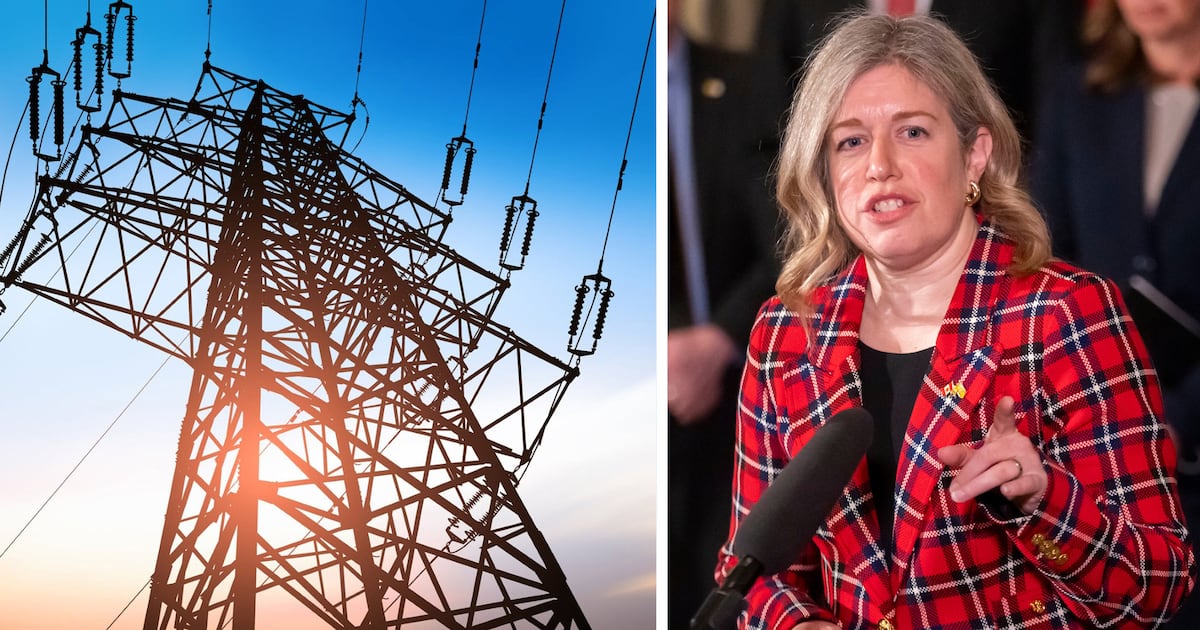
Provincial leaders are also preparing. New Brunswick Premier, speaking to CTV News, said he is open to using energy as leverage, stating he would do 'whatever it takes' to protect the province's interests. This echoes earlier threats from other provinces to restrict electricity exports. The Globe reports the Section 338 tariffs have a 30-day lead time, meaning they could take effect by mid-September, adding urgency to the talks.
The trade dispute underscores a broader breakdown in Canada-U.S. relations. Analysts note that Carney's non-engagement strategy risks alienating U.S. partners but may avoid a bad deal. The next few weeks will be critical as LeBlanc's meetings and the looming tariff deadline test both sides' resolve. If enacted, the tariffs could deepen economic pain on both sides of the border, with Canadian industries and American consumers bearing the cost.
Timeline
- Trump Threatens 50% Tariffs
President Trump announces plans to impose 50% tariffs on US$20 billion of Canadian exports under Section 338, targeting Canadian retaliatory measures and dairy quotas.
- LeBlanc Returns to Washington
Canada-U.S. Trade Minister Dominic LeBlanc and chief negotiator Janice Charette travel to Washington for meetings. LeBlanc attends funeral of Senator Lindsey Graham and a 'Friendship Day' event.
- Carney's Non-Engagement Strategy Revealed
A Toronto Star column reports that PM Mark Carney has decided not to play trade games with Trump, believing no good deal is possible. Public confidence in Carney's negotiation ability drops to 43%.
- Tariff Deadline
The 50% tariffs are set to take effect 30 days after announcement, likely in mid-September, unless Canada backs down on retaliatory measures.
Questions people ask
What are the Section 338 tariffs?
Section 338 of U.S. trade law allows the president to impose tariffs on countries that discriminate against U.S. commerce. Trump is using it to target Canadian retaliatory measures like provincial alcohol bans and dairy quota allocations.
Why is Canada's prime minister not directly negotiating?
According to a Toronto Star column, Prime Minister Mark Carney believes there is no good trade deal to be had with Trump. Instead, he is avoiding direct engagement to avoid a worse agreement than previous trade deals.
Join the conversation 0
Comments are reviewed before publishing.