Why it's trending
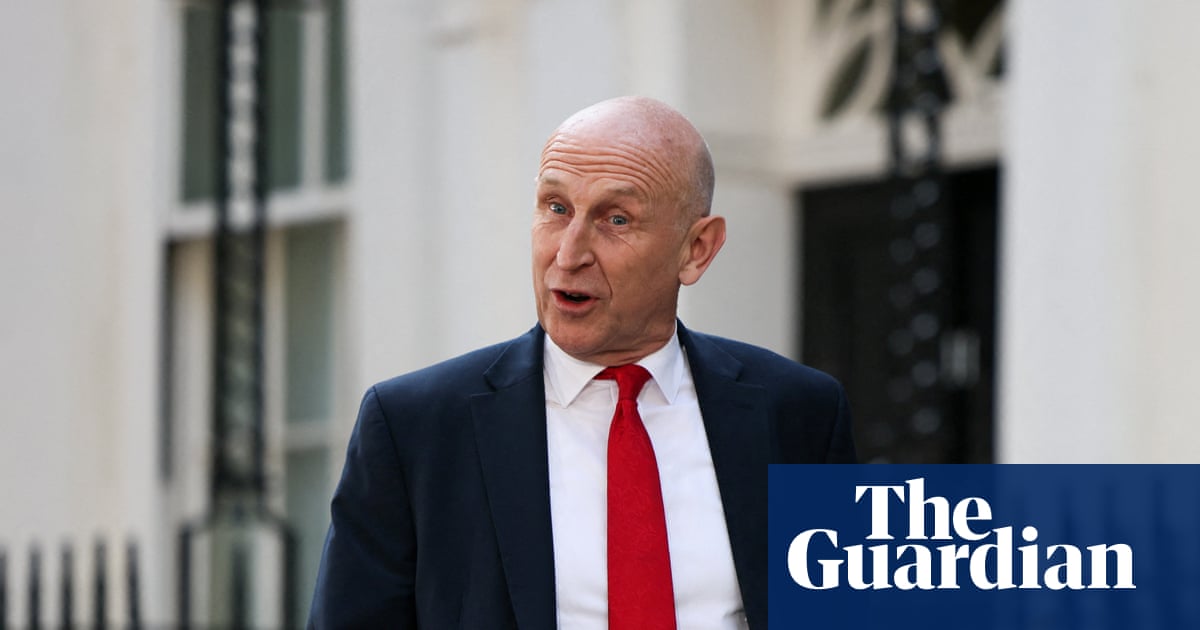
The trigger is Chancellor John Healey's Sunday Telegraph column, in which he directly warned supermarkets and fuel retailers against profiteering. This generated immediate coverage from The Guardian, BBC, and The Spectator, making 'supermarket' a trending search term as readers sought details on the government's stance and the evidence behind the price-gouging allegation.
Chancellor John Healey has warned that the government is 'standing by' to stop shoppers from being 'taken for a ride at the pump or the till', according to The Guardian. In a Sunday Telegraph column, Healey said ministers are 'watching closely' for any sign of profiteering by big retailers, while conceding there has been 'no significant evidence of so-called price gouging' during the Iran war crisis.
Coverage of the warning was widespread: The Guardian framed it as a potential 'new war of words' with retailers, while BBC's newspaper headlines highlighted the Sunday Telegraph report. The Spectator, however, attacked Healey for repeating a 'price gouging dog whistle', arguing supermarkets are so competitive that UK food is among the most affordable in the world. It cited a Freshwater Strategy poll showing the public overestimates supermarket profit margins at 50%, when the reality is around 3%.
The warning comes as the Bank of England kept interest rates on hold last week, warning that a further escalation in the Iran war could push inflation above 4% next year. The EY economic outlook, mentioned by The Guardian, warns GDP could contract by 0.2% in 2027 if the Strait of Hormuz remains closed through early or mid-2027, though a reopening by Q3 2026 could see growth of 0.9% in 2026 and 1.2% in 2027.
Healey acknowledged businesses are under pressure from rising costs, but his comments risk a political fight with retailers. With the public already concerned about the cost of living, the government's balancing act is delicate: it must appear to protect household finances without baselessly accusing an industry that operates on thin margins. The Spectator argues the 'price gouging' narrative is politically convenient despite lacking evidence, and further data on inflation or regulatory action will show whether the government follows through.
Timeline
- Iran war drives energy price shock
The months-long Middle East conflict has reignited the UK cost-of-living crisis, according to The Guardian.
- Bank of England holds interest rates
The Bank of England kept UK rates on hold, warning that a further escalation in the Iran war could drive inflation above 4% next year, as reported by The Guardian.
- Healey publishes Sunday Telegraph column
Chancellor John Healey warns supermarkets and fuel retailers that the government will prevent shoppers being 'taken for a ride at the pump or the till', while saying there is 'no significant evidence' of price gouging, per The Guardian and BBC.
- EY warns of recession risk
The EY economic outlook warns UK GDP could contract by 0.2% in 2027 if the Strait of Hormuz remains closed, while a resolution could see growth of 1.2% in 2027, as reported by The Guardian.
- Spectator publishes rebuttal
The Spectator criticizes Healey's warning as a 'dog whistle myth', citing a Freshwater Strategy poll that shows public misperception of supermarket profit margins.
Questions people ask
Did John Healey say supermarkets are profiteering?
No. He wrote in The Sunday Telegraph that the government will be 'watching closely', but he explicitly said there has been 'no significant evidence of so-called price gouging' during the crisis, according to The Guardian.
What profit margins do UK supermarkets actually make?
According to The Spectator, UK supermarkets operate on 'wafer thin margins' around 3%, while the public polled by Freshwater Strategy guessed 50%. The Spectator argues this misunderstanding makes Healey's 'price gouging' warning a 'dog whistle myth'.
Why is the government concerned about supermarkets now?
The ongoing Iran war has caused energy price shocks, reigniting the cost-of-living crisis. The Bank of England warned inflation could exceed 4% next year if the conflict escalates, and the EY report warns of recession risk if the Strait of Hormuz remains closed, per The Guardian.
Join the conversation 0
Comments are reviewed before publishing.