Why it's trending
The immediate trigger is Iran's announcement that its Revolutionary Guard attacked two oil tankers in the Strait of Hormuz on Friday, July 31, 2026, causing crude prices to climb about 1%. The market moved even though U.S. and British maritime security organizations had not yet confirmed the attacks, making this a developing geopolitical story with high impact on global energy supplies.
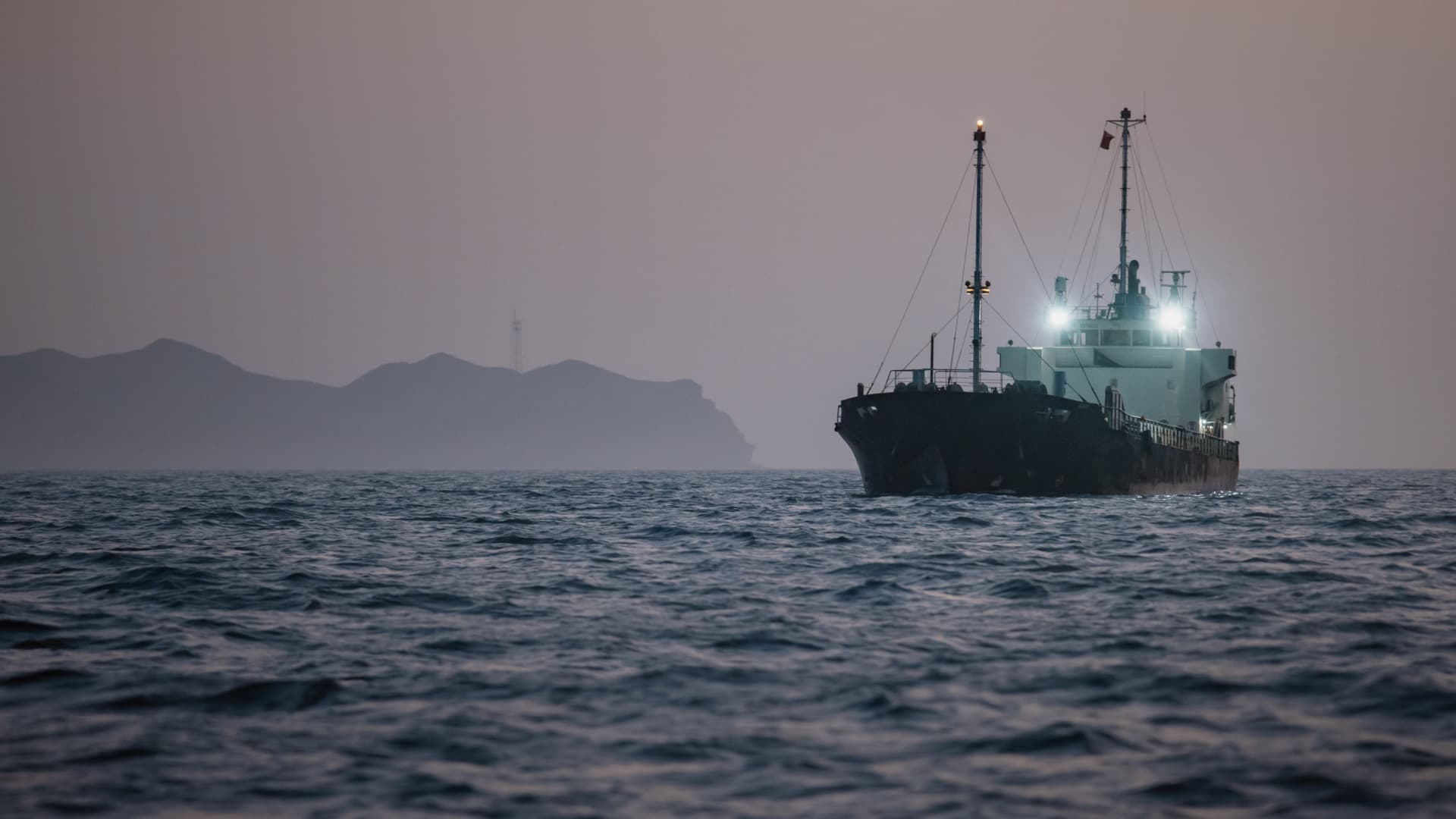
Oil prices moved higher on Friday after Iran said it attacked two tankers transiting the Strait of Hormuz. CNBC reported that West Texas Intermediate futures rose about 1% to $84.41 per barrel, while Brent crude gained 1% to $89.90. Iran's Islamic Revolutionary Guard Corp said it hit the tankers as they tried to transit under a U.S. military escort, according to state-run PressTV. The state outlet added that four other tankers turned back after the strikes.
U.S. and British maritime security organizations that monitor Middle East traffic have not confirmed the attacks, according to CNBC. This gap between Tehran's claims and Western verification adds uncertainty, and Reuters separately covered traders assessing shipping flows, while The Economist noted oil prices remain 'highly flammable.' The supplied excerpts do not provide further details from those two sources, so their specific analysis is not included here.
The Hormuz incident is the latest in a chain of maritime confrontations. Last week, Iran's Houthi allies in Yemen declared a maritime embargo against Saudi Arabia and attacked tankers in the Red Sea. This week, a drone attack damaged two liquefied natural gas ships at Egypt's Mediterranean port of Damietta, though nobody claimed responsibility. In the Black Sea, more tankers came under attack as Ukraine targets Russian energy infrastructure, jeopardizing exports through the Caspian Pipeline Consortium that Kazakhstan relies on.
Oil executives are warning that the supply threat extends beyond Hormuz. Chevron CEO Mike Wirth told CNBC the situation is 'under stress' and global inventories are falling, saying 'we're running out of time.' Exxon CEO Darren Woods said Hormuz must reopen because it is the 'main artery of supply' for the world, adding 'the only question is how long will it take to get to some resolution.' Both companies reported surging second-quarter profits as oil prices rose, indicating the market impact is already being felt.
Timeline
- Houthis declare maritime embargo against Saudi Arabia
Iran's Houthi allies in Yemen declared a maritime embargo and attacked tankers in the Red Sea, according to CNBC.
- Drone attack damages LNG ships at Damietta, Egypt
A drone attack damaged two liquefied natural gas ships at Egypt's Mediterranean port of Damietta. No group claimed responsibility, CNBC reported.
- Black Sea tanker attacks threaten Caspian pipeline
More tankers came under attack in the Black Sea as Ukraine targeted Russian energy infrastructure, jeopardizing exports through the Caspian Pipeline Consortium, per CNBC.
- Iran claims it attacked tankers in Strait of Hormuz
Iran's Islamic Revolutionary Guard Corp said it hit two tankers transiting Hormuz under U.S. military escort, and four other tankers turned back, according to state-run PressTV as cited by CNBC. U.S. and British maritime monitors had not confirmed the attacks.
- Oil prices rise about 1%
West Texas Intermediate rose to $84.41 per barrel and Brent to $89.90, according to CNBC.
Questions people ask
What happened in the Strait of Hormuz?
Iran's Islamic Revolutionary Guard Corp claimed it attacked two tankers transiting the Strait of Hormuz under U.S. military escort, and said four other tankers turned back. This was reported by Iran's state-run PressTV and cited by CNBC. U.S. and British maritime security organizations have not confirmed the attacks.
Why did oil prices rise?
Oil prices rose about 1% on Friday after Iran reported the attacks. West Texas Intermediate reached $84.41 per barrel and Brent reached $89.90. The market reacted to the potential threat to supply through the strait, a key route for Middle East oil, despite the lack of third-party confirmation.
Are there other threats to oil shipping besides Hormuz?
Yes. CNBC reports that Houthi allies in Yemen declared a maritime embargo against Saudi Arabia and attacked tankers in the Red Sea. A drone attack damaged two LNG ships at Egypt's Damietta port this week. Additionally, tankers in the Black Sea have been attacked, threatening Kazakhstan's Caspian Pipeline Consortium exports.
How have oil companies responded?
Chevron CEO Mike Wirth told CNBC that the threat to oil supplies has expanded beyond Hormuz, global inventories are falling, and 'we're running out of time.' Exxon CEO Darren Woods said Hormuz has to reopen because it is 'the main artery of supply' for the world's economic growth.
Join the conversation 0
Comments are reviewed before publishing.