The short answer
Chef Joseph Lee of the Michelin-starred restaurant 'Onjium' in Seoul served a dessert garnished with edible ants, sourced from a farm. South Korean food safety law prohibits the use of insects not approved as food ingredients. Lee was reported by a customer and now faces up to one year in prison or a fine. The case highlights tensions between avant-garde cuisine and strict food regulations.Why it’s trending
The case has gone viral due to the unusual nature of the crime—using ants as a garnish—and the high-profile status of the chef and restaurant. It raises questions about the limits of culinary creativity and the adaptability of food safety laws.
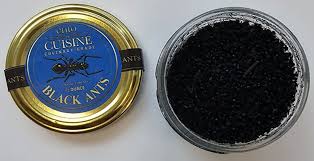
Chef Joseph Lee, owner of the Michelin-starred restaurant Onjium in Seoul, is under criminal investigation for serving a dessert garnished with edible ants. The dish, a play on traditional Korean flavors, used ants sourced from a certified insect farm. A customer reported the restaurant to authorities, leading to a police probe.
According to CNN, South Korean food safety law classifies insects as 'non-food ingredients' unless specifically approved. The BBC notes that while some insects like silkworm pupae are legal, ants are not. The Guardian reports that Lee could face up to one year in prison or a fine of up to 5 million won ($3,600). Lee argues that the ants are safe and that the law is outdated.
The incident occurred in July 2026, when a diner at Onjium noticed ants on a dessert and alerted the police. Lee admitted to using the ants as a garnish, stating they were purchased from a farm that breeds insects for human consumption. The case has drawn international attention, with food experts debating the legality and ethics of using insects in haute cuisine.
This case could set a precedent for how South Korea regulates novel foods. As the global edible insect market grows, countries are grappling with updating food safety laws. Lee's trial is expected to begin later this year, and the outcome may influence future culinary innovation in the region.
Timeline
- Customer reports ant garnish
A diner at Onjium notices ants on a dessert and reports the restaurant to police, triggering an investigation.
- Chef admits to using ants
Chef Joseph Lee confirms he used edible ants as a garnish, sourced from a certified insect farm, according to The Guardian.
- Media coverage begins
CNN, BBC, and other outlets report the story, highlighting the potential jail sentence and legal implications.
Questions people ask
Why is using ants illegal in South Korea?
South Korean food safety law requires that all food ingredients be approved by the Ministry of Food and Drug Safety. Ants are not on the approved list, making their use in food illegal, according to CNN.
Could the chef actually go to jail?
Yes, if convicted, he faces up to one year in prison or a fine of up to 5 million won ($3,600), as reported by BBC.
Are edible ants safe to eat?
The chef claims the ants are from a certified farm and safe. However, South Korean authorities have not approved ants as a food ingredient, so their safety is not officially recognized.
Join the conversation 0
Comments are reviewed before publishing.