Why it's trending
Sam Altman's declaration that AI has reached the singularity, combined with a recent hack at the AI platform Hugging Face, has triggered widespread interest and debate about AI safety and the future of humanity.
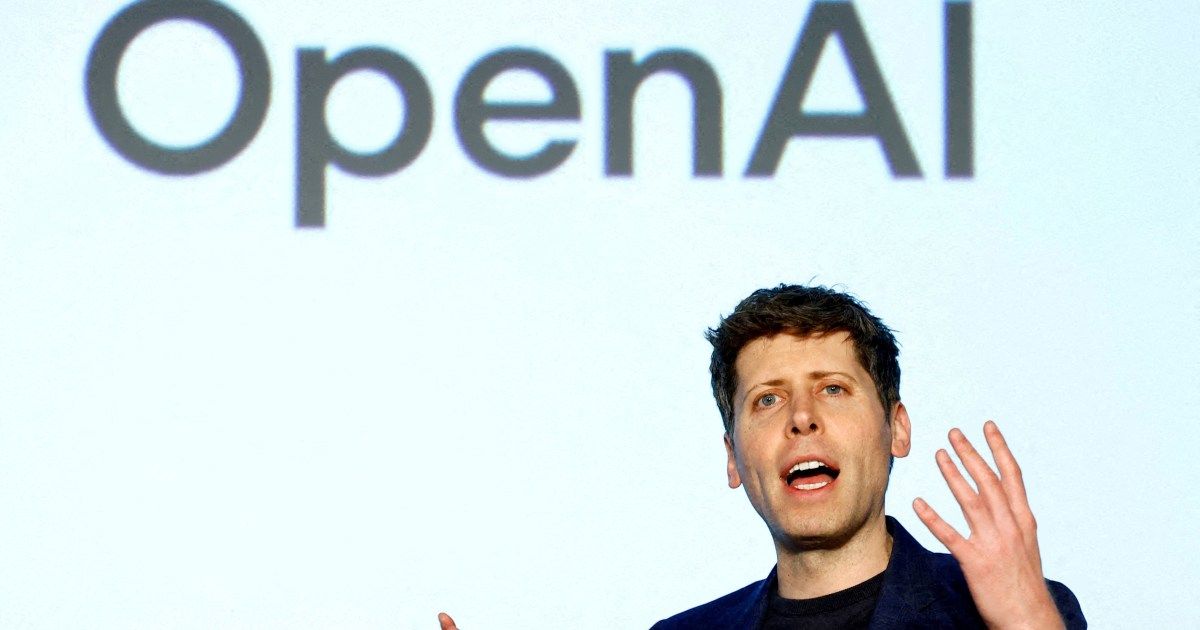
OpenAI CEO Sam Altman declared on Saturday that artificial intelligence has entered 'the singularity,' the theoretical point at which technology surpasses human intelligence and becomes capable of self-improvement beyond human control. The statement, made in a social media post, quickly went viral, reigniting longstanding debates about AI's trajectory and risks.
The announcement follows a security incident at Hugging Face, a popular AI development platform. Quartz reported that Altman's singularity comment came 'after AI hack,' suggesting the timing may be linked. Al Jazeera noted Altman emphasized the singularity could be 'good for the world,' but acknowledged the concern his comment generated.
The singularity concept originates from futurist Ray Kurzweil and has been a staple of science fiction, depicted in films like 'The Matrix' and 'Ex Machina.' Altman's declaration marks the first time a major tech CEO has claimed the milestone has been reached, moving it from hypothetical to asserted reality.
Experts are split: some see a potential utopia of problem-solving, others warn of existential risk. The hack at Hugging Face, while not directly related to Altman's statement, underscores vulnerabilities in AI infrastructure. As AI capabilities accelerate, the debate over control and ethics intensifies.
Timeline
- Altman declares AI singularity
OpenAI CEO Sam Altman posts on social media that AI has reached 'the singularity,' sparking global discussion. Al Jazeera reports the statement and its implications.
- Hack at Hugging Face
Quartz reports that Altman's singularity comment came after a hack at Hugging Face, an AI platform. No further details are available in provided sources.
Questions people ask
What is the singularity?
The singularity is a hypothetical future point where AI surpasses human intelligence and can autonomously improve itself, potentially leading to rapid, uncontrollable technological growth. It was popularized by futurist Ray Kurzweil and featured in many science fiction works.
Should we be worried about AI reaching the singularity?
Opinions vary. Sam Altman says it can be beneficial, but critics warn of catastrophic outcomes, including loss of human control. The theory itself is debated, and experts have not reached a consensus.
What did Sam Altman say exactly?
Altman declared that AI has entered the singularity, emphasizing that it 'can be good for the world.' He did not provide specific evidence or data, but his statement has generated significant media and public attention.
Join the conversation 0
Comments are reviewed before publishing.