The short answer
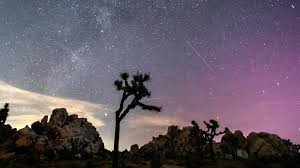
The Perseid meteor shower occurs each summer when Earth passes through debris left by Comet Swift-Tuttle. The meteors appear to radiate from the constellation Perseus, hence the name. In 2026, the shower peaks on the night of August 11-13, with the best viewing after midnight. A new moon on August 11 ensures dark skies, making it an excellent year for observation. No special equipment is needed; just find a dark location away from city lights, lie back, and look up.Why it’s trending
The Perseid meteor shower is trending because it is one of the most anticipated annual meteor showers, and 2026's peak coincides with a new moon, promising exceptional viewing conditions. Additionally, media outlets like ABC News and Space.com are publishing guides, and Big Think has highlighted the perfect timing of the 2026 peak.
The Perseid meteor shower, active from mid-July to late August, is set to peak on the night of August 11-13, 2026. According to Space.com, this year's peak coincides with a new moon on August 11, providing dark skies ideal for meteor watching. The shower is known for producing up to 100 meteors per hour at its peak, though actual rates depend on local conditions.
ABC News reports that the Perseids are caused by debris from Comet Swift-Tuttle, which last passed near Earth in 1992. The meteors appear to radiate from the constellation Perseus, but viewers should look anywhere in the sky. Big Think notes that while the shower is active throughout July, the best viewing occurs during the peak in August.
To observe the Perseids, experts recommend finding a dark location away from city lights, allowing 30 minutes for eyes to adapt, and lying flat on a blanket or chair. No telescopes or binoculars are needed. The meteors are fast and bright, often leaving persistent trains.
The 2026 Perseid shower is particularly anticipated due to the favorable lunar phase. In contrast, the 2025 peak was affected by a bright moon. This year's event offers a prime opportunity for both casual stargazers and experienced astronomers.
Timeline
- Perseid meteor shower active period
The shower is active from approximately July 17 to August 24, with peak activity around August 11-13. (Source: Space.com)
- New moon provides dark skies
A new moon occurs on August 11, ensuring minimal moonlight interference during the peak nights. (Source: Big Think)
- Perseid meteor shower peak
The shower is expected to reach its maximum, with up to 100 meteors per hour under ideal conditions. Best viewing after midnight. (Source: ABC News)
Questions people ask
When is the best time to see the Perseid meteor shower in 2026?
The peak is on the night of August 11-13, 2026, with the best viewing after midnight. The new moon on August 11 provides dark skies. (Source: Space.com)
Do I need a telescope to see the Perseids?
No, the Perseids are visible to the naked eye. Find a dark location, allow your eyes to adjust, and look up. (Source: ABC News)
What causes the Perseid meteor shower?
The Perseids are caused by debris from Comet Swift-Tuttle entering Earth's atmosphere at high speed. (Source: Big Think)
Join the conversation 0
Comments are reviewed before publishing.