Why it's trending
NOAA's forecast of a Kp index of 5 for Thursday night (July 23, 2026) means the northern lights could be visible in nine US states along the northern border plus Alaska, a relatively rare event for many of these areas. This has sparked widespread media coverage and public curiosity.
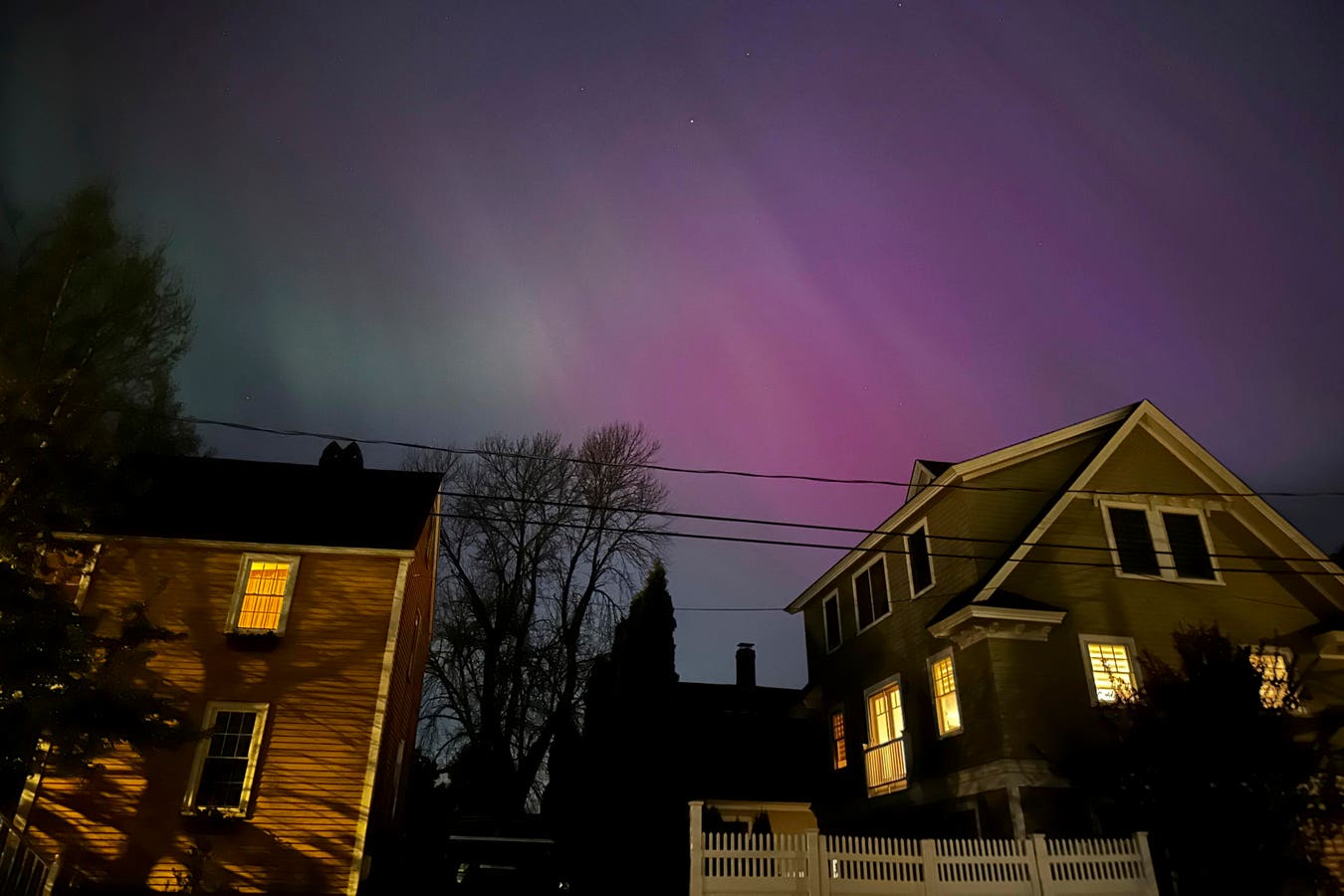
Several northern US states may get a rare glimpse of the northern lights Thursday night, as NOAA forecasts a Kp index of 5 due to a coronal mass ejection. The aurora could appear brighter and farther south than usual, with the best viewing between 10 p.m. and 2 a.m. local time.
According to Forbes, NOAA expects 'minor' geomagnetic storms late Thursday into early Friday from a recent coronal mass ejection. The forecast shows visibility in northern Washington, Idaho, Montana, North Dakota, northern South Dakota, the northern half of Minnesota, northern Wisconsin, and Michigan’s Upper Peninsula, plus most of Alaska. However, People.com reports visibility in 18 states, suggesting possible discrepancies or broader interpretations of the forecast.
The Kp index measures geomagnetic activity; a value of 5 indicates a moderate storm. The aurora is caused by solar particles interacting with Earth's magnetic field. NOAA expects activity to calm by the weekend, with a Kp index of 2 forecast for Friday and Saturday nights.
Photography experts recommend using low apertures, wide-angle lenses, and tripods for capturing the lights, while smartphone users should enable night mode and avoid flash. Those hoping to see the aurora should seek high ground away from city lights.
Timeline
- NOAA forecasts Kp index of 5
Aurora borealis may be visible in nine US states and Alaska, according to NOAA.
- Minor geomagnetic storms expected
A coronal mass ejection from the sun is expected to trigger minor geomagnetic storms, per NOAA.
- Auroral activity calms
NOAA forecasts a Kp index of 2 for both Friday and Saturday nights, reducing visibility.
Questions people ask
Where can I see the northern lights tonight?
According to NOAA, the aurora may be visible in northern Washington, Idaho, Montana, North Dakota, northern South Dakota, the northern half of Minnesota, northern Wisconsin, Michigan’s Upper Peninsula, and most of Alaska. However, People.com reports up to 18 states may have a chance.
What time is best to see the northern lights?
The best viewing time is between 10 p.m. and 2 a.m. local time, from a high vantage point away from light pollution, as advised by NOAA.
How can I photograph the northern lights?
Photography experts recommend using low apertures, wide-angle lenses, and tripods. For smartphones, use night mode and avoid flash.
Join the conversation 0
Comments are reviewed before publishing.