Why it's trending
The sudden trigger is the deadly mass migration surge into Ceuta in early August 2026, followed by Spain's installation of a floating barrier and a sharp public rebuke of Italy's Schengen suspension. The rising death toll and the EU's emergency interior ministers' meeting scheduled for Tuesday have driven international headlines and search interest.
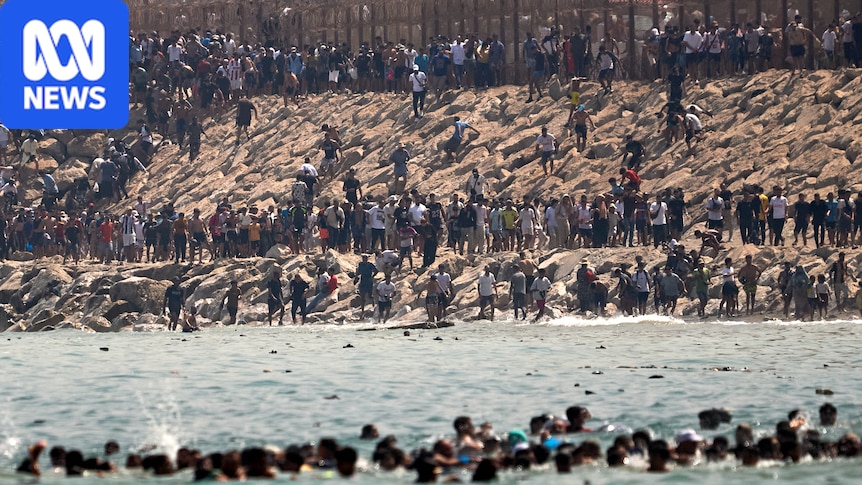
Spain has begun installing a 500-metre floating barrier off the coast of Ceuta, its North African enclave, after a mass rush of migrants crossed from Morocco that killed at least 67 people, according to ABC News. Spanish authorities said the crossings stopped overnight, and more than 48,000 of an estimated 50,000 people who entered by land and sea had returned to Morocco within 48 hours. CNN, however, puts the total number of migrants at 60,000, with most walking back by Sunday but some remaining in surrounding hills.
The situation has escalated beyond a local border crisis into an EU political dispute. Spain's Prime Minister Pedro Sánchez wrote to EU Commission and European Council presidents criticizing Italy's decision to suspend Schengen travel arrangements with Madrid for one month, calling it 'selfish, polarising and unlawful.' Twenty-two EU member states have asked for coordinated action to protect external borders, and Ireland, which holds the rotating EU presidency, has called an emergency video conference of interior ministers for Tuesday. Spanish Interior Minister Fernando Grande-Marlaska blamed people-smuggling networks and misleading interpretations of a Spanish Supreme Court ruling about returns of migrants intercepted at sea.
The mass crossing occurred against a backdrop of economic hardship and social media rumors, which Spanish authorities say encouraged vulnerable migrants. CNN reports that residents of Ceuta, a city of 84,000, were rattled but shops had reopened by the weekend. Spanish civil guard ships were still searching for bodies near the beach where tens of thousands breached the border. At least 72 migrants died, including some who drowned and others killed in a stampede to cross a breakwater barrier, according to CNN; ABC News put the toll at 67 at the time of its report.
The crisis underscores the pressure on Spain and the EU to manage migration while maintaining internal unity. With Italy's unilateral action threatening the Schengen Area and Spain pushing back, the upcoming EU meeting will test whether member states can agree on a collective response. The floating barrier may deter future sea crossings, but the underlying drivers of migration — economic desperation and smuggling networks — remain unresolved, and the search for bodies continues off Ceuta's coast.
Timeline
- Migrants begin crossing into Ceuta
CNN photos show migrants crossing from Morocco into the Spanish enclave of Ceuta, marking the start of a mass surge.
- Mass border rush peaks
Tens of thousands of migrants breach the border, including crossing on Tarajal beach, according to Getty Images via CNN. At least 67–72 migrants die from drowning or a stampede.
- Spain installs floating barrier
Spanish police begin installing a 500-metre floating barrier off the border with Morocco, ABC News reports. Most migrants have already started returning to Morocco.
- Spain slams EU response
Pedro Sánchez criticizes Italy's Schengen suspension in a letter to EU leaders. Ireland calls an emergency video conference of interior ministers for Tuesday. Spanish authorities confirm most of the approximately 50,000 crossers have returned.
Questions people ask
How many migrants actually crossed into Ceuta?
Sources differ: ABC News reports about 50,000 people crossed, while CNN reports 60,000. Spanish authorities say more than 48,000 have returned to Morocco.
Why did Spain install a floating barrier?
Spain installed a 500-metre floating barrier to prevent future crossings after a mass rush that killed at least 67 people (ABC) or 72 people (CNN). The barrier is intended to stop migrants from entering by sea or along the coast.
What is the Schengen dispute between Spain and Italy?
Italy suspended passport-free Schengen travel arrangements with Spain for one month. Spain's PM Pedro Sánchez called this 'selfish, polarising and unlawful' and said the EU cannot afford such reactions, prompting criticism and an EU emergency meeting.
Why did migrants try to cross into Ceuta?
Spanish Interior Minister Fernando Grande-Marlaska blamed people-smuggling networks and misleading social media rumors, while many migrants were driven by economic hardship, according to ABC News.
Join the conversation 0
Comments are reviewed before publishing.