Why it's trending
The naira is trending due to its sustained appreciation and the announcement that Nigeria's foreign reserves reached a 17-year high of $52.03 billion, signaling improved economic stability.
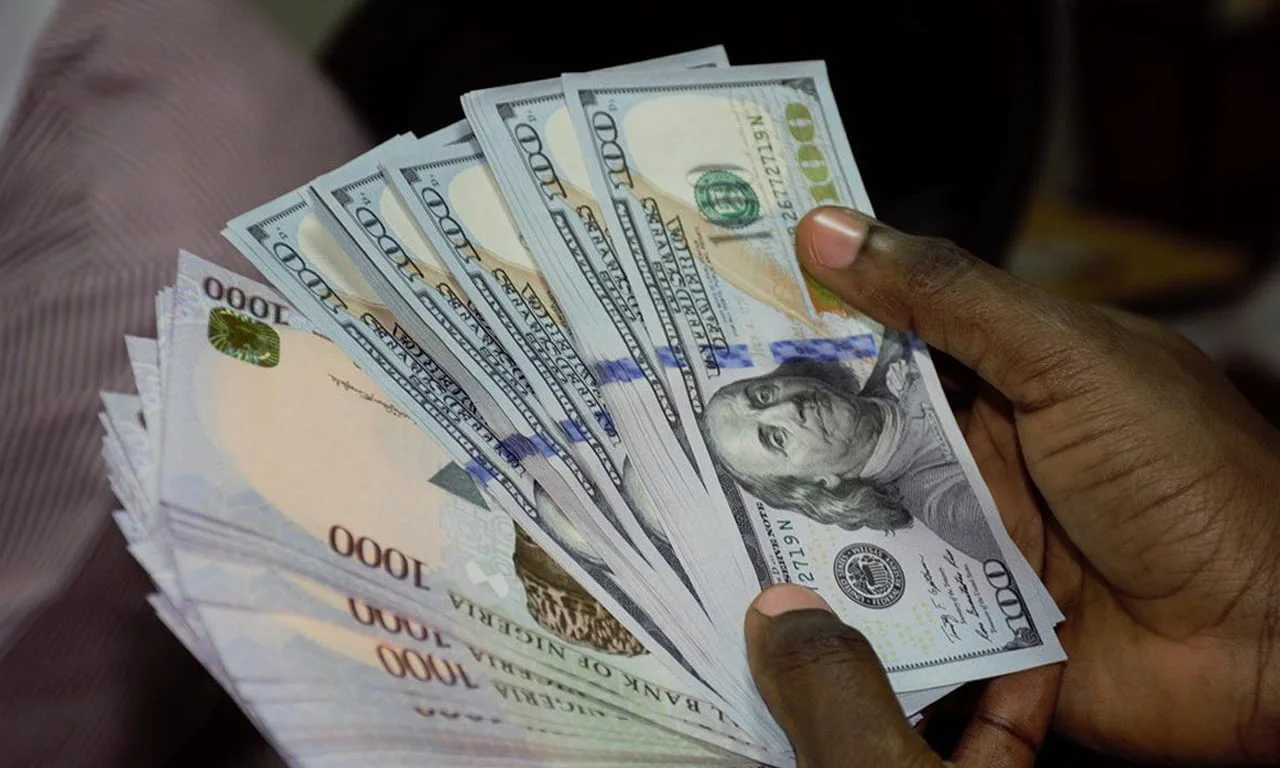
The Nigerian naira continued its rally against the US dollar, closing at N1,362.09 on the official market on July 24, 2026, according to Central Bank of Nigeria data. This marks a gain of N5.67 from the previous day and a weekly appreciation of N18.19. The parallel market also strengthened, with the naira trading at N1,410 per dollar, up N10 from the prior day.
The appreciation is attributed to improved dollar liquidity and strong external reserves. Businessday NG reported that the CBN data showed reserves rose to $52.03 billion as of July 22, a 35.6% increase year-on-year. Daily Post Nigeria confirmed reserves stood at $52.02 billion on July 23, a slight decline but still near 17-year highs. Analysts at Coronation Merchant Bank noted the naira's stability.
However, market activity slowed. Official market turnover fell 19.76% to $334.13 million on July 23, and deal count dropped. The parallel market rate showed a wider spread of 2.93% from the official rate, indicating some divergence. The CBN has been managing liquidity to support the currency.
The sustained naira strength and record reserves suggest improved foreign exchange inflows, likely from oil revenues and diaspora remittances. Continued CBN intervention could keep the naira stable, but risks include global oil price volatility and domestic demand pressures.
Timeline
- NFEM deals rise but turnover falls
The number of deals at the NFEM window rose 33.23% to 417, but total turnover declined 24.06% to $1.2 billion, according to Businessday NG.
- External reserves hit $52.03 billion
Nigeria's external reserves reached a 17-year high of $52.03 billion, a 35.6% year-on-year increase, per CBN data reported by Businessday NG.
- Official rate: N1,367.76/$; parallel weakens
The naira appreciated marginally by N1.87 to N1,367.76 in the official market. Parallel market weakened to N1,407/$ from N1,400, widening spread to 2.93%.
- Naira strengthens further
Official rate improved to N1,362.09/$, up N5.67. Parallel market strengthened to N1,410/$, up N10 from previous day's N1,420 (per Daily Post Nigeria).
Questions people ask
Why is the naira strengthening?
The naira is strengthening due to improved dollar liquidity in the official market and higher external reserves, which give the CBN more capacity to support the currency. Analysts attribute this to increased oil revenues and intervention measures.
What is the current exchange rate?
As of July 24, 2026, the official rate is N1,362.09 per dollar, and the parallel market rate is N1,410 per dollar, according to CBN and Bureau de Change data.
Join the conversation 0
Comments are reviewed before publishing.