Why it's trending
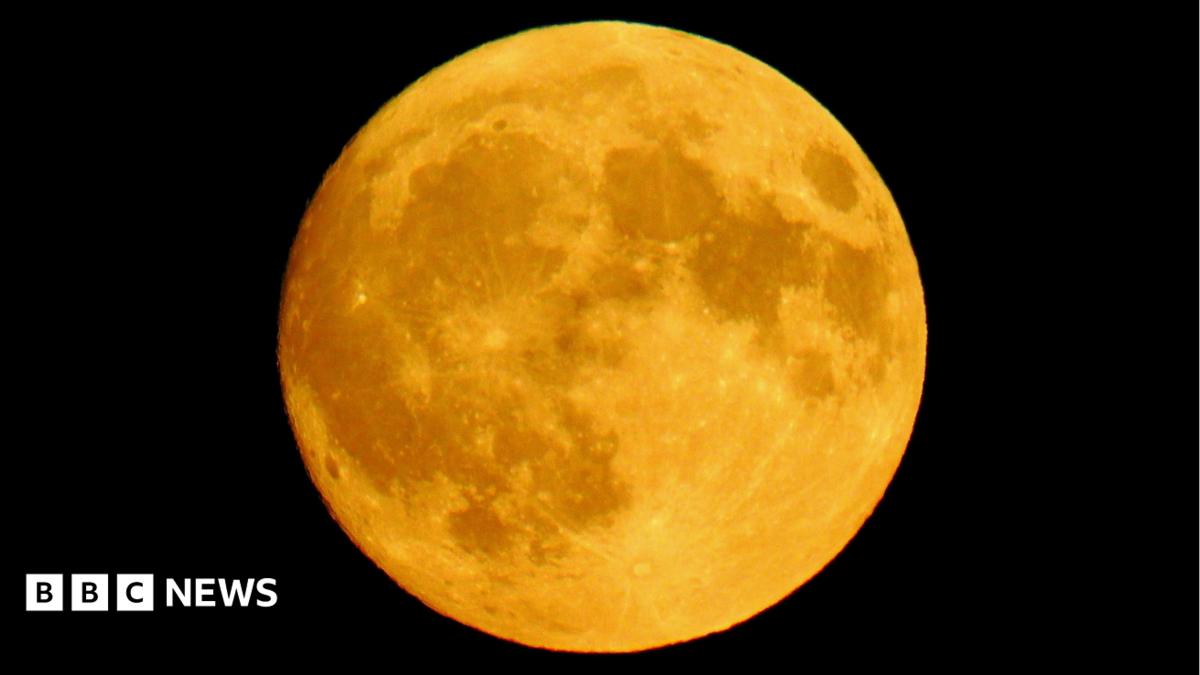
The Buck Moon is trending because of its striking appearance and its role as a precursor to a rare total solar eclipse. Photographers and skywatchers captured dramatic images of the full moon, and anticipation is building for the upcoming eclipses.
The July full moon, known as the Buck Moon, lit up skies around the world on July 29, 2026, offering a stunning precursor to a month of eclipses. According to Forbes, the Buck Moon reached its exact full phase at 10:37 a.m. EDT on July 29, but was best seen at moonrise during dusk. BBC reported that the moon was visible over Devon and Cornwall in the UK on Tuesday and Wednesday nights, with clear skies expected for viewing.
The name 'Buck Moon' comes from Native American tradition, as noted by both BBC and Forbes, referring to the time when male deer (bucks) begin to regrow their antlers. Live Science adds that other names include Thunder Moon, Hay Moon, and Berry Moon (Miin Giizis) by the Anishinaabeg people. The Royal Observatory in Greenwich also refers to it as the Thunder Moon due to summer storms.
This full moon is the second of astronomical summer in the Northern Hemisphere and follows a low arc across the sky, making it appear orange at moonrise due to Rayleigh scattering, as explained by Live Science. Forbes highlights the 'moon illusion' that makes the moon appear larger near the horizon, enhanced by foreground objects. The Buck Moon looked full both the night before and after the peak.
Crucially, the Buck Moon sets the stage for two upcoming eclipses. Forbes and Live Science both note that the new moon on August 12, 2026, will cause a total solar eclipse visible from parts of Greenland, Iceland, and Spain. Then, the full moon on August 28 will produce a partial lunar eclipse. This sequence of celestial events has generated significant public interest.
Timeline
- Buck Moon visible
The July full moon appears full for three nights around July 29. It peaks at 10:37 a.m. EDT on July 29 (15:36 BST). Best viewed at moonrise on July 29. (Sources: Forbes, BBC, Live Science)
- Total solar eclipse
The new moon will pass directly between Earth and the sun, causing a total solar eclipse along a path from Greenland, Iceland, and Spain. (Sources: Forbes, Live Science)
- Partial lunar eclipse
The following full moon will bring a partial lunar eclipse, visible from many parts of the world. (Sources: Live Science)
Questions people ask
What is the Buck Moon?
The Buck Moon is the traditional name for July's full moon, named by Native Americans for the time when male deer grow new antlers. It is also called Thunder Moon, Hay Moon, and Berry Moon. (Sources: BBC, Forbes, Live Science)
When is the next total solar eclipse?
A total solar eclipse will occur on August 12, 2026. It will be visible from eastern Greenland, western Iceland, and northern Spain. (Sources: Forbes, Live Science)
Why does the full moon look orange?
At moonrise, the moon appears orange due to Rayleigh scattering, the same phenomenon that makes sunsets red. The light from the moon passes through more atmosphere, scattering shorter wavelengths and leaving the redder hues. (Source: Live Science)
Join the conversation 0
Comments are reviewed before publishing.