Why it's trending
The sudden interest is triggered by the rare alignment of two annual meteor showers peaking on the same night (July 30-31), as reported by the American Meteor Society and amplified by CNN and Forbes. The news cycle is also driven by the challenge posed by the full Buck Moon, which has stargazers seeking advice on how and when to look up. The approaching Perseid peak in mid-August adds to the seasonal enthusiasm.
This week offers a rare double feature in the night sky: the Southern Delta Aquariids and Alpha Capricornids both peak overnight on Thursday, July 30 into Friday, July 31, according to the American Meteor Society (AMS), as reported by CNN and Forbes. A third shower, the Perseids, is also active but won't peak until Aug. 12-13. However, the July full moon—which peaked Wednesday, July 29—will brighten the sky and obscure fainter meteors, making this a challenging but still worthwhile viewing opportunity.
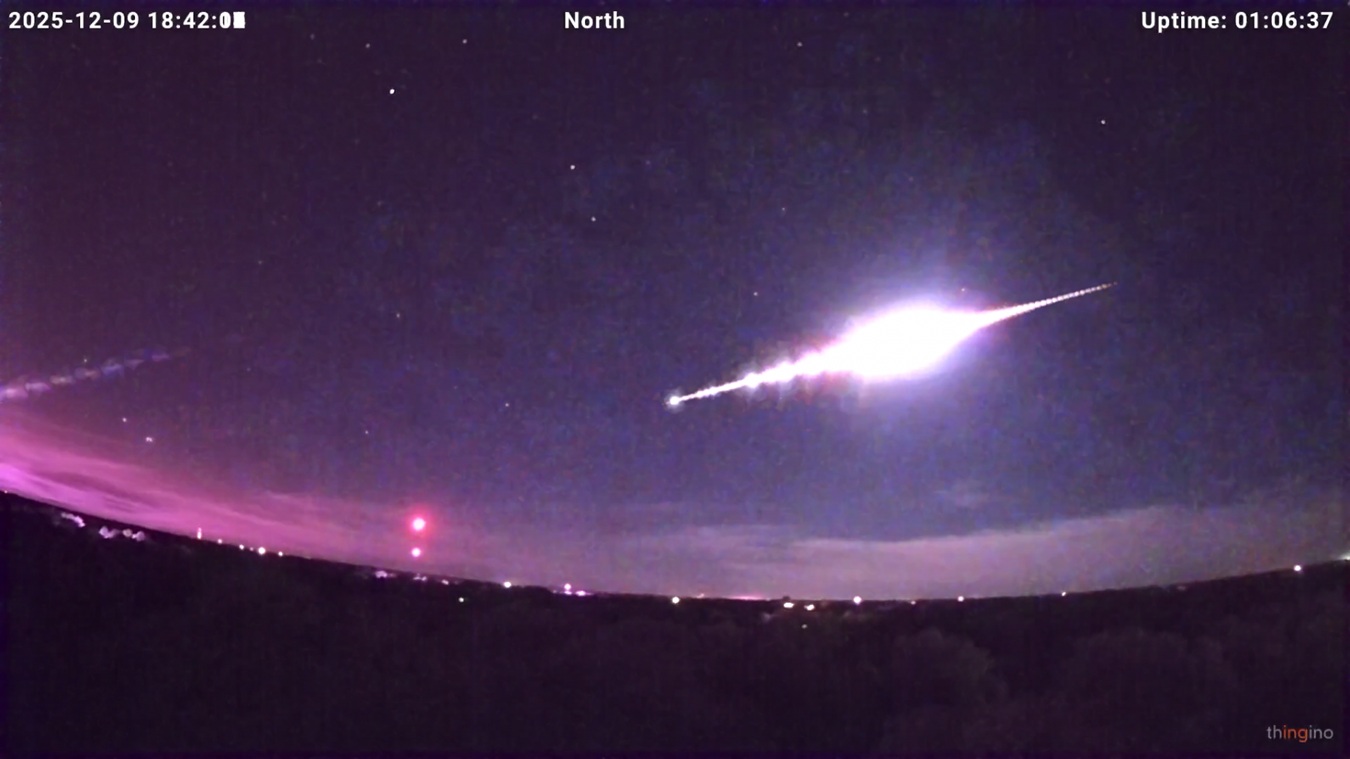
Forbes describes the Southern Delta Aquariids as producing a steady stream of up to 25 relatively faint, medium-speed meteors per hour under ideal dark skies, best seen from southern latitudes. The Alpha Capricornids, by contrast, typically produce only about five meteors per hour, but they're famous for brilliant, slow-moving fireballs. Both pieces rely on the AMS for peak timing, but the viewing outlook is marred by lunar interference. The AMS's weekly outlook notes that rates are 'reduced due to moonlight,' and NASA's Bill Cooke told CNN that with the full moon 'up there all night,' meteors are 'just going to be very difficult to see.'
The showers follow their annual schedules: the Alpha Capricornids are active from early July to mid-August, and the Southern Delta Aquariids from mid-July to mid-August, according to CNN citing the AMS. The complication of a full moon coinciding with a meteor shower peak is not unusual—Bob Lunsford of the AMS told CNN it happens around every three years. Interestingly, observers in the Southern Hemisphere may fare better, as NASA's Cooke noted the radiant is higher overhead there. Lunsford advises viewers to seek high elevation and face northward with the moon at their back to protect night vision.
For those who find the moonlight too overwhelming, the Perseids offer a more promising target: Forbes reports they are already active and will peak under a moonless sky on Aug. 12-13. That shower, often considered one of 2026's celestial highlights, may deliver the spectacle that this week's double peak cannot. In the meantime, this week's alignment is a reminder that lunar phase is a crucial factor in meteor observation—and even a 'difficult' shower can still reveal brilliant fireballs for patient sky-gazers.
Timeline
- Alpha Capricornids active
The Alpha Capricornid meteor shower is active from early July to mid-August, with its peak occurring July 30-31, according to the American Meteor Society via CNN.
- Southern Delta Aquariids active
The Southern Delta Aquariid meteor shower runs from mid-July to mid-August and also peaks July 30-31, per the American Meteor Society via CNN.
- Full Buck Moon peaks
The July full moon reaches its fullest point on Wednesday, July 29, according to CNN and the AMS. Its light will hinder meteor visibility through the week.
- Double meteor shower peak
The Southern Delta Aquariids and Alpha Capricornids both reach their peak overnight Thursday into Friday, according to the AMS, as reported by CNN and Forbes.
- Perseids peak forecast
The Perseid meteor shower, already active, is expected to peak on the night of Aug. 12-13 under moonless skies, Forbes reports.
Questions people ask
When is the best time to see the meteor showers?
The peak is overnight July 30-31, but the full moon hampers viewing. AMS data suggests morning observers see higher rates (up to ~18 per hour at mid-northern latitudes) compared to evening (~3 per hour), though moonlight reduces both. For best results, go to a dark-sky site, high elevation, face north with the moon at your back, per CNN's advice from AMS's Bob Lunsford.
Will the full moon ruin the meteor shower?
Not entirely, but it will significantly reduce the show. The full moon peaked on July 29, and its bright glow will dominate the sky all night, NASA's Bill Cooke told CNN. Faint meteors will be washed out; only brighter meteors and fireballs, such as those from the Alpha Capricornids, are likely to be visible. AMS's Bob Lunsford suggests positioning yourself with the moon at your back to minimize the impact.
What is the difference between the Southern Delta Aquariids and Alpha Capricornids?
The Southern Delta Aquariids produce a steady but faint display of medium-speed meteors, up to ~25 per hour under ideal conditions, best seen from the Southern Hemisphere, according to Forbes. The Alpha Capricornids are less frequent (~5 per hour) but known for exceptionally bright, slow-moving fireballs. Both peak on July 30-31, per the American Meteor Society.
What is the Perseid meteor shower and when is its peak?
The Perseids are considered one of 2026's celestial highlights, according to Forbes. They are already active and will peak overnight on Aug. 12-13, under a moonless sky, which should make for a much better viewing opportunity than this week's moonlight-affected displays.
Join the conversation 0
Comments are reviewed before publishing.