Why it's trending
The sudden resumption of direct military exchanges between Iran and the US, after a brief pause, has raised fears of a wider conflict. The joint US-Saudi strikes in Iraq mark Saudi Arabia's deeper involvement, and the attack on oil tankers in the Strait of Hormuz threatens global oil supplies. Oil prices surged after three days of decline.
A day after President Trump said the US had halted strikes on Iran, Iran launched a surprise ballistic missile attack on US forces in the Middle East on Tuesday evening, US Central Command said. The attack was intercepted, but it ended a brief lull and prompted swift retaliation by the US and Saudi Arabia against Iran-aligned targets in Iraq.
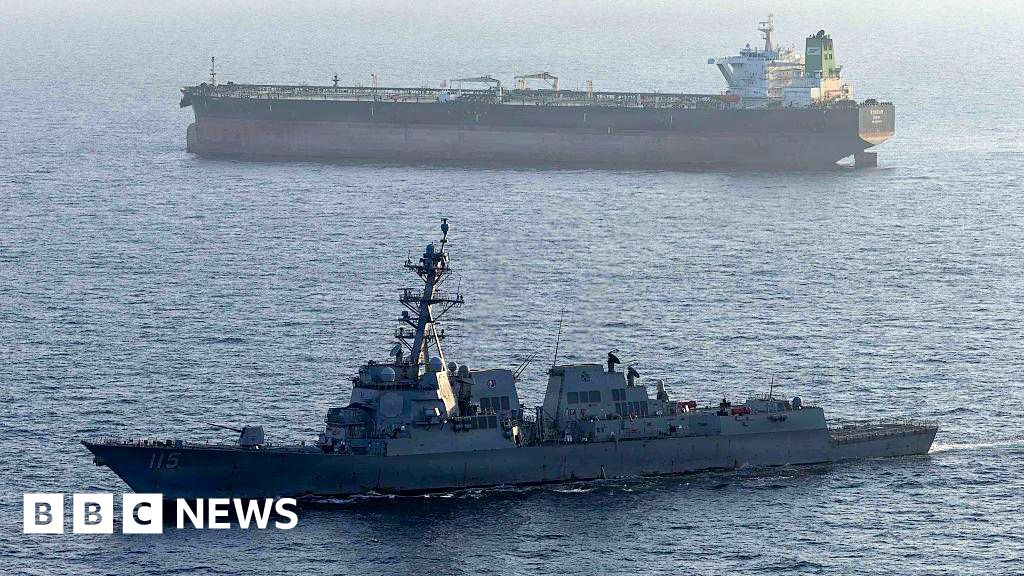
Centcom reported that the IRGC fired multiple ballistic missiles from Iran at US forces, all of which were successfully intercepted. Axios, citing US officials, said the target was a US base in Jordan. The IRGC claimed it struck a US air base and command center in Jordan 'in response to the acts of aggression of the American child-killing army.' Separately, the IRGC said its naval forces struck three oil tankers in the Strait of Hormuz after they ignored warnings.
Hours after the Iranian attack, US and Saudi fighter jets conducted joint strikes in eastern Iraq against 'Iran-aligned terrorists,' retaliating for over 30 drone attacks in the previous three days. Iraq's Popular Mobilization Forces, an Iran-backed militia, said at least 20 of its members were killed and 32 wounded. Saudi Arabia's defence ministry said the strikes were in self-defense after drones from Iraq targeted its oil facilities.
The rapid escalation follows a two-day pause in hostilities. Iran had reportedly indicated it would stop attacks if the US refrained, and Trump had set aside plans to escalate due to concerns over Patriot interceptor stockpiles. The resumption of attacks has sent oil prices surging and raised fears of a broader regional war. Trump met with Israeli PM Netanyahu on Tuesday, who described the meeting as 'one of the best conversations' they've had, citing close coordination on Iran.
Timeline
- Lull in hostilities
Following President Trump's statement that US had halted strikes on Iran, there was a two-day pause in attacks. Iran had reportedly indicated it would stop attacks if US refrained (Reuters, cited by CNBC).
- Drone attacks on Saudi oil facilities
Iran-backed militias launched drones from Iraq targeting Saudi oil facilities in the Eastern and Riyadh regions (Saudi defence ministry, per BBC).
- Iran launches ballistic missile attack on US forces
IRGC launched multiple ballistic missiles from Iran in an 'attempted surprise attack' on US forces. All missiles intercepted. IRGC claimed targets were a US air base and command center in Jordan (Centcom, per BBC/CNBC). Axios reports target was a US base in Jordan (CNBC).
- IRGC strikes oil tankers in Strait of Hormuz
IRGC naval forces struck three oil tankers in the Strait of Hormuz after they 'ignored warnings' (BBC).
- US-Saudi joint strikes in Iraq
US and Saudi fighter jets struck multiple terrorist logistics and weapons sites in eastern Iraq, retaliating for over 30 drone attacks. PMF reported at least 20 killed and 32 wounded (Centcom, per BBC/CNBC; PMF statement per CNBC).
- Trump-Netanyahu meeting
Trump met with Israeli PM Netanyahu at the White House, discussing coordination on Iran (CNN).
Questions people ask
Did Iran's attack cause any US casualties?
No. US Central Command said all missiles were 'successfully intercepted' and there were no reports of US casualties (BBC, CNBC).
How many people were killed in the US-Saudi strikes in Iraq?
At least 20 members of Iraq's Popular Mobilization Forces were killed, and 32 wounded, according to a PMF statement (BBC, CNBC).
Why did Saudi Arabia join the strikes?
Saudi Arabia said it was exercising its 'right to self-defense' after Iran-backed militias launched drones from Iraq targeting its oil facilities (BBC). The strikes were coordinated with US Central Command.
Join the conversation 0
Comments are reviewed before publishing.