Why it's trending
The primary is Tuesday, August 4, 2026, and is widely described as the most important Democratic primary of the year. Record pro-Israel spending, plus the party's internal feud over Israel and strategy, has generated intense media coverage. The Boston Globe says the race is 'the most analyzed' because 2028 presidential politics runs through Michigan. As voters head to the polls, interest in the candidates—especially Stevens, as the AIPAC-backed front-runner—has spiked.
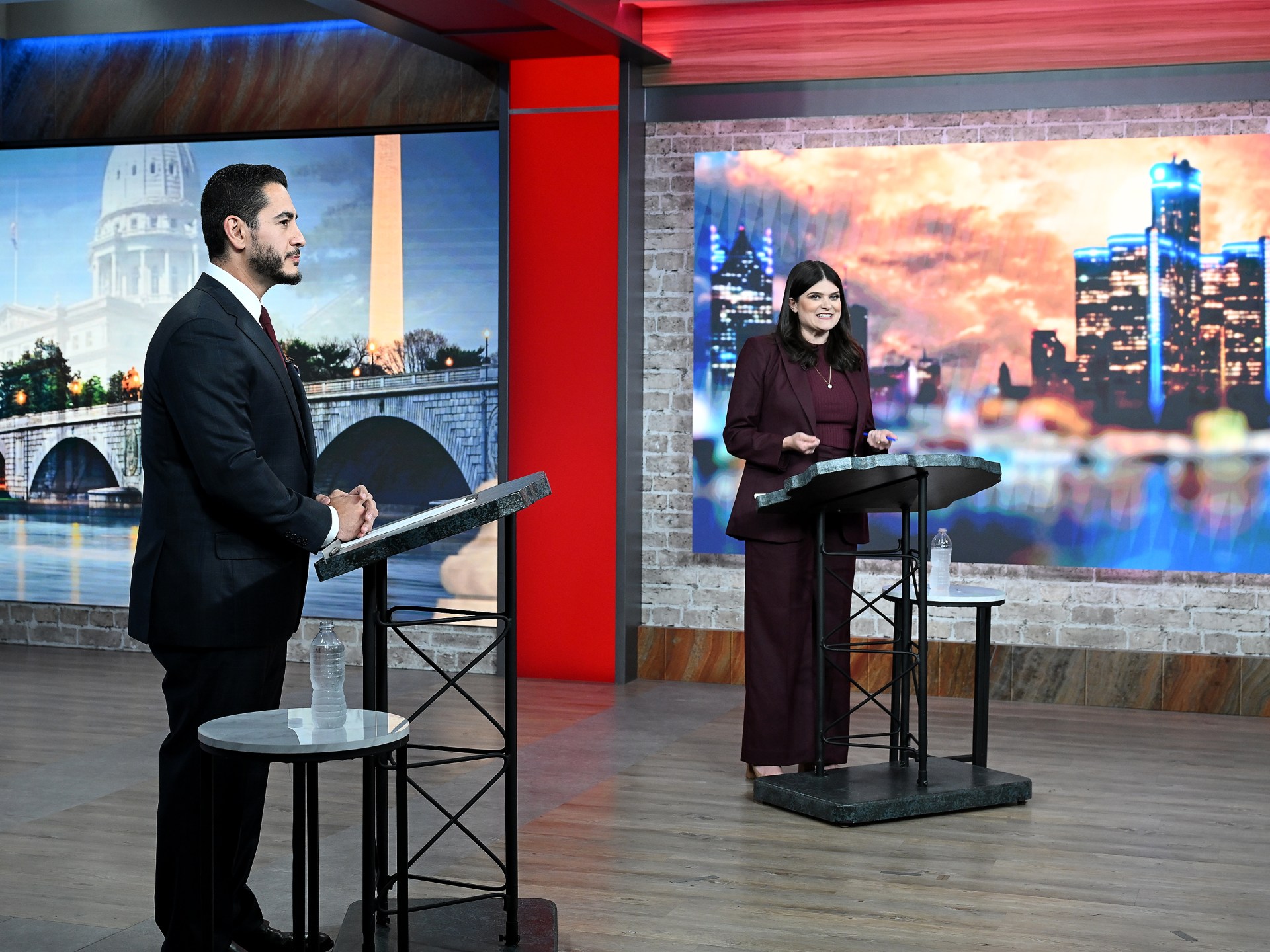
Michigan's Democratic Senate primary has become the party's most consequential fight of the 2026 cycle, with Rep. Haley Stevens facing Abdul El-Sayed to replace retiring Sen. Gary Peters. The Boston Globe calls it 'a nearly perfect binary choice' between establishment and progressive wings. Stevens ran on her congressional record and has endorsements from Senate Minority Leader Chuck Schumer, Peters, and Gov. Gretchen Whitmer. El-Sayed, the former Detroit public health director, has backing from leading progressives and has been fiercely critical of Israeli policy.
Money has dominated the narrative. Al Jazeera reports that AIPAC and other PACs have spent more than $54 million to elect Stevens, citing Federal Election Commission records. The Boston Globe pegs total super PAC spending at roughly $60 million, 'about half of it from pro-Israel interest group AIPAC and its affiliated organizations.' A dark-money group, the Center for Democratic Priorities, has also spent about $6.5 million on ads, according to Al Jazeera. These figures are not exactly aligned—the Globe's $60 million may include additional groups—but both sources confirm unprecedented outside intervention.
The race's timeline has accelerated in recent weeks. On Friday, July 31, a Dearborn rally featured Reps. Rashida Tlaib and Ilhan Omar, with state legislator Alabas Farhat vowing AIPAC would 'burn' millions by losing. El-Sayed's name was the focus, while Stevens was barely mentioned. The primary falls on Tuesday, August 4, and the winner will face former Rep. Mike Rogers, the likely Republican nominee, in November. The Boston Globe notes Michigan swung to Donald Trump in 2016 and 2024, making the general election a key battleground.
The outcome could reshape Democratic strategy on Israel and campaign finance. Analysts cited by Al Jazeera say the race could affect the party's approach to Israel for years. If El-Sayed wins despite record AIPAC spending, it would signal that pro-Israel money does not guarantee victory. If Stevens wins, it may reinforce establishment and AIPAC influence. Either way, the contest is a preview of the 2028 presidential campaign, which, as the Globe notes, 'runs squarely through the state.' Pro-Israel groups may face renewed scrutiny over their role in Democratic primaries.
Timeline
- Stevens elected to Congress
Haley Stevens first won her House seat in the 2018 Democratic wave, defeating a Republican incumbent, according to the Boston Globe.
- Peters announces retirement
Sen. Gary Peters, the incumbent Democrat, decides not to seek re-election, creating an open seat. (Not explicitly dated in sources, but implied by context.)
- AIPAC spending escalates
Al Jazeera reports AIPAC and other PACs have spent over $54 million to help Stevens, with the Center for Democratic Priorities adding $6.5 million in dark money.
- Dearborn rally attacks AIPAC
At a rally in a Detroit suburb, speakers including Rashida Tlaib and Ilhan Omar denounce AIPAC, while Alabas Farhat says voters will make the group 'burn' millions. Al Jazeera covers the event.
- Al Jazeera publishes spending analysis
Al Jazeera's Ali Harb reports on the financial state of the race, highlighting record AIPAC spending and El-Sayed's campaign framing.
- Boston Globe and NYT coverage intensifies
The Boston Globe labels the primary 'the most important of the year' and notes the 2028 presidential stakes. NYT briefing also covers the race.
- Michigan primary election
Voters go to the polls to choose between Stevens and El-Sayed. The winner likely faces Republican Mike Rogers in November, per the Boston Globe.
Questions people ask
Who is Haley Stevens?
Haley Stevens is a four-term Democratic congresswoman from Michigan, first elected in the 2018 wave. She is running for Senate with the backing of the Democratic establishment, including Chuck Schumer, Gary Peters, and Gretchen Whitmer, according to the Boston Globe.
Who is Abdul El-Sayed?
Abdul El-Sayed is a progressive epidemiologist, Rhodes Scholar, former Detroit public health director, and former gubernatorial candidate who lost to Gretchen Whitmer. He is running to Stevens's left, with strong criticism of Israel and support from progressives, per Al Jazeera and the Boston Globe.
Why is AIPAC spending so much against El-Sayed?
AIPAC and affiliated groups have spent over $54 million to help Stevens, according to Al Jazeera. The Boston Globe puts total super PAC spending at about $60 million, half from AIPAC. The reason: El-Sayed is a Muslim of Egyptian heritage who has been 'extremely critical of the Israeli government,' and AIPAC seeks to defeat candidates critical of Israeli policies.
When is the Michigan primary?
The primary is on Tuesday, August 4, 2026, as indicated by the Boston Globe's reference to 'Tuesday' and Al Jazeera's mention of the election on that day.
What are the broader stakes of this primary?
The race is a proxy for the Democratic Party's internal debate over Israel, campaign finance, and strategy. Analysts told Al Jazeera it could affect the party's approach to Israel for years. The Boston Globe notes the winner will face Republican Mike Rogers in a swing state that Trump won in 2016 and 2024, making it pivotal for the 2028 presidential race.
Join the conversation 0
Comments are reviewed before publishing.