Why it's trending
The Buck Moon is trending due to its alignment with multiple celestial events—the Delta Aquariid and Alpha Capricornid meteor showers peaking around July 31-August 1, the ongoing Perseid meteor shower, and a total solar eclipse on August 12, 2026. This confluence of sky highlights drives public interest in viewing the full moon.
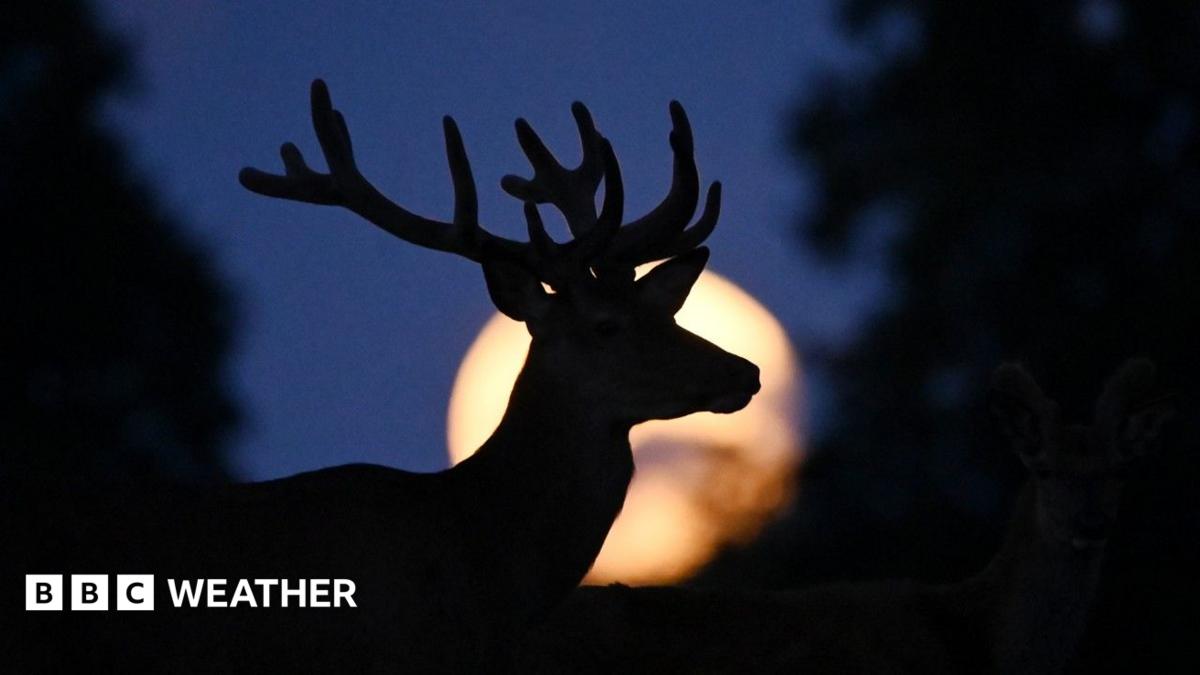
The full Buck Moon will light up the night sky on July 29, 2026, peaking at 15:36 BST (10:37 a.m. EDT), according to BBC and Forbes. While the exact moment of fullness occurs below the horizon for UK viewers, the moon will appear full overnight on Tuesday and Wednesday (July 28-29), offering prime viewing after sunset. The moon's name originates from the time when male deer rapidly grow new antlers, and it is also known as the Thunder Moon or Hay Moon, per the Royal Observatory Greenwich.
Skywatchers across the UK should see favorable conditions over much of England, with clear skies and light winds, though Scotland and western areas may have more cloud, according to BBC weather forecasts. In North America, the best views will be at moonrise shortly after sunset on July 29, as reported by Forbes. The Buck Moon occurs during an active meteor season: the Delta Aquariids (about 25 meteors per hour) and Alpha Capricornids peak July 31-August 1, while the Perseid shower (up to 50 per hour) continues and peaks August 12-13, coinciding with a total solar eclipse.
The Buck Moon is the second of three full moons this summer, following the Strawberry Moon in June and preceding the Sturgeon Moon on August 27, which will feature a deep partial lunar eclipse. According to Forbes, the Buck Moon rises exactly two weeks before the total solar eclipse on August 12, 2026, a major sky event. Additionally, Comet 10P/Tempel 2 will be visible near the M30 globular cluster on July 29, best seen from the Southern Hemisphere.
For enthusiasts, this week offers multiple celestial sights: the full moon, several meteor showers, and the upcoming solar eclipse. Early risers can also spot Mercury at its greatest western elongation on August 2. While astrology sites like YourTango discuss zodiac implications, the primary scientific attractions are the moon and meteor activity. Clear skies will provide excellent viewing opportunities for most regions, especially away from city lights.
Timeline
- Buck Moon Peaks
The July full moon reaches its maximum fullness, though it may be below the horizon in the UK. Best viewed at moonrise after sunset. (BBC, Forbes)
- Buck Moon Visible Overnight
The moon appears full to the naked eye on Tuesday and Wednesday nights across the UK and North America. (BBC)
- Delta Aquariid & Alpha Capricornid Meteor Showers Peak
These showers produce about 25 and 5 meteors per hour, respectively, according to the American Meteor Society. (Forbes)
- Total Solar Eclipse
A total solar eclipse occurs, coinciding with the peak of the Perseid meteor shower. (BBC, Forbes)
- Partial Lunar Eclipse of Sturgeon Moon
The full Sturgeon Moon experiences a deep partial lunar eclipse, with 96% of its surface turning reddish. (Forbes)
Questions people ask
When is the best time to see the Buck Moon?
The best time is at moonrise shortly after sunset on July 29, 2026. In the UK, it will appear full on the nights of July 28 and 29. Check local moonrise times.
Why is it called the Buck Moon?
According to BBC, the name comes from the time of year when male deer (bucks) begin to grow new antlers. Other names include Thunder Moon (for summer storms) and Hay Moon (for the hay harvest).
What other celestial events are happening around the Buck Moon?
The Delta Aquariid (July 31-Aug 1), Alpha Capricornids, and ongoing Perseid meteor showers are active. A total solar eclipse occurs on August 12, and a partial lunar eclipse on August 27. (Forbes)
Join the conversation 0
Comments are reviewed before publishing.