Why it's trending
The incident is trending because of the unusual and dramatic nature of the diversion: a flagship A380 flying over northern Russia turned back toward Western Europe and spent nearly 12 hours airborne before landing in London, more than 2,000 miles off course. News outlets reported it on July 30, with passengers facing an overnight delay and rebooking, drawing attention to how airlines handle mid-flight medical crises.
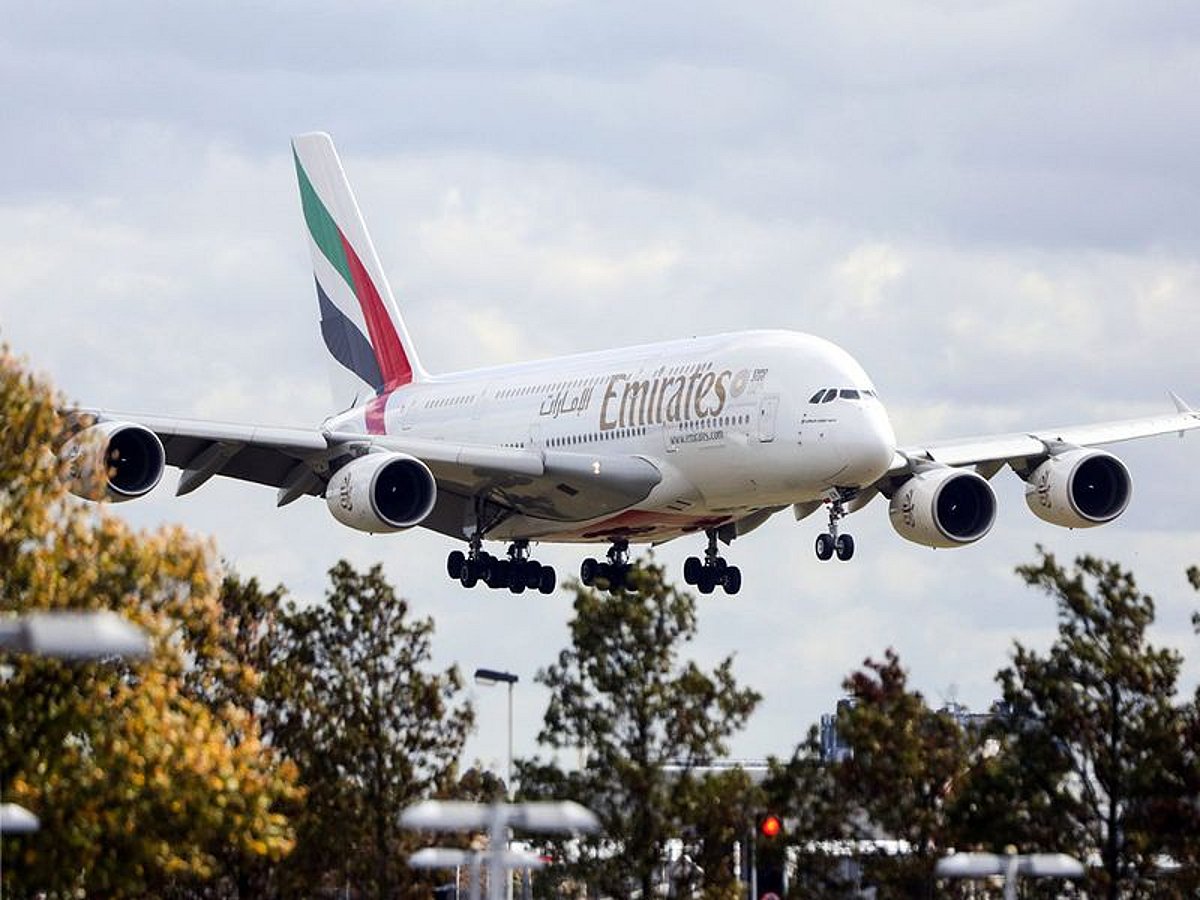
Emirates flight EK225, a Dubai-to-San Francisco service on July 29, was forced to divert to London Heathrow after a passenger suffered a medical emergency, according to a statement from the airline. The flight, operated by an Airbus A380-800, landed safely at 7:20 PM local time, and affected passengers were provided with hotel accommodation and rebooked on flights departing the following day.
All three sources — Gulf News, airlive, and Simple Flying — corroborate the core facts: the flight departed Dubai at 10:26 AM GST, was roughly six hours into its journey over northern Russia near Nyagan when the crew turned back, and then flew an additional five hours to land at Heathrow. The medical emergency was confirmed by an Emirates spokesperson. No contradictions emerge across the reports, though airlive provides more operational detail, while Gulf News quotes the airline's apology and passenger handling plans.
The diversion highlights the complexities of long-haul emergency diversions, especially with an A380. As airlive explains, when an emergency occurs in remote airspace, crews must choose a diversion airport capable of handling the superjumbo. London Heathrow is one of Emirates' largest outstations, with dedicated ground crews, maintenance capabilities, and extensive hotel and rebooking capacity. Gulf News notes that medical emergencies are among the most common reasons for aircraft diversions, and in this case, the unscheduled landing caused an overnight delay for passengers, who resumed their journey the next day.
The incident shows how airlines prioritize passenger safety while managing logistics for hundreds of travelers. The aircraft, A6-EVH, underwent routine technical inspections before returning to service. Passengers were rebooked on July 30, and Emirates apologized for the inconvenience. As travelers and aviation enthusiasts continue to track the story, any further updates from Emirates regarding the passenger's condition or the flight's return to service are expected.
Timeline
- EK225 departs Dubai
Emirates flight EK225, an Airbus A380-800 (A6-EVH), departs Dubai International Airport for San Francisco, according to airlive.
- Diversion begins over Russia
The flight, cruising over northern Russia near Nyagan, makes a left turn back toward Western Europe — first sign of deviation from its scheduled Arctic trajectory, as reported by airlive.
- Landing at London Heathrow
After flying an additional five hours across European airspace, the aircraft lands safely at London Heathrow. Emirates confirms the diversion was due to a passenger medical emergency, per multiple sources.
- Passenger accommodation and rebooking
Emirates provides hotel accommodation in London to affected passengers and rebooks them on the next available flights departing July 30, according to Gulf News and airlive.
Questions people ask
Why did EK225 divert to London instead of a closer airport?
London Heathrow is one of Emirates' largest outstations, with dedicated ground crews, maintenance capabilities, and extensive hotel and rebooking options for handling A380 passengers, according to airlive. Long-haul diversions balance medical emergencies, ground infrastructure, and passenger logistics.
What happens to passengers on a diverted flight?
Gulf News reports that affected passengers were unable to continue to San Francisco the same day. Emirates provided hotel accommodation in London and rebooked them on the next available flights departing July 30.
How long was the diversion?
The flight was roughly six hours into its journey over northern Russia before turning back, then flew another five hours to London, spending nearly 12 hours airborne, according to airlive. Simple Flying's headline notes the diversion added more than 2,000 miles to the route.
Join the conversation 0
Comments are reviewed before publishing.