Why it's trending
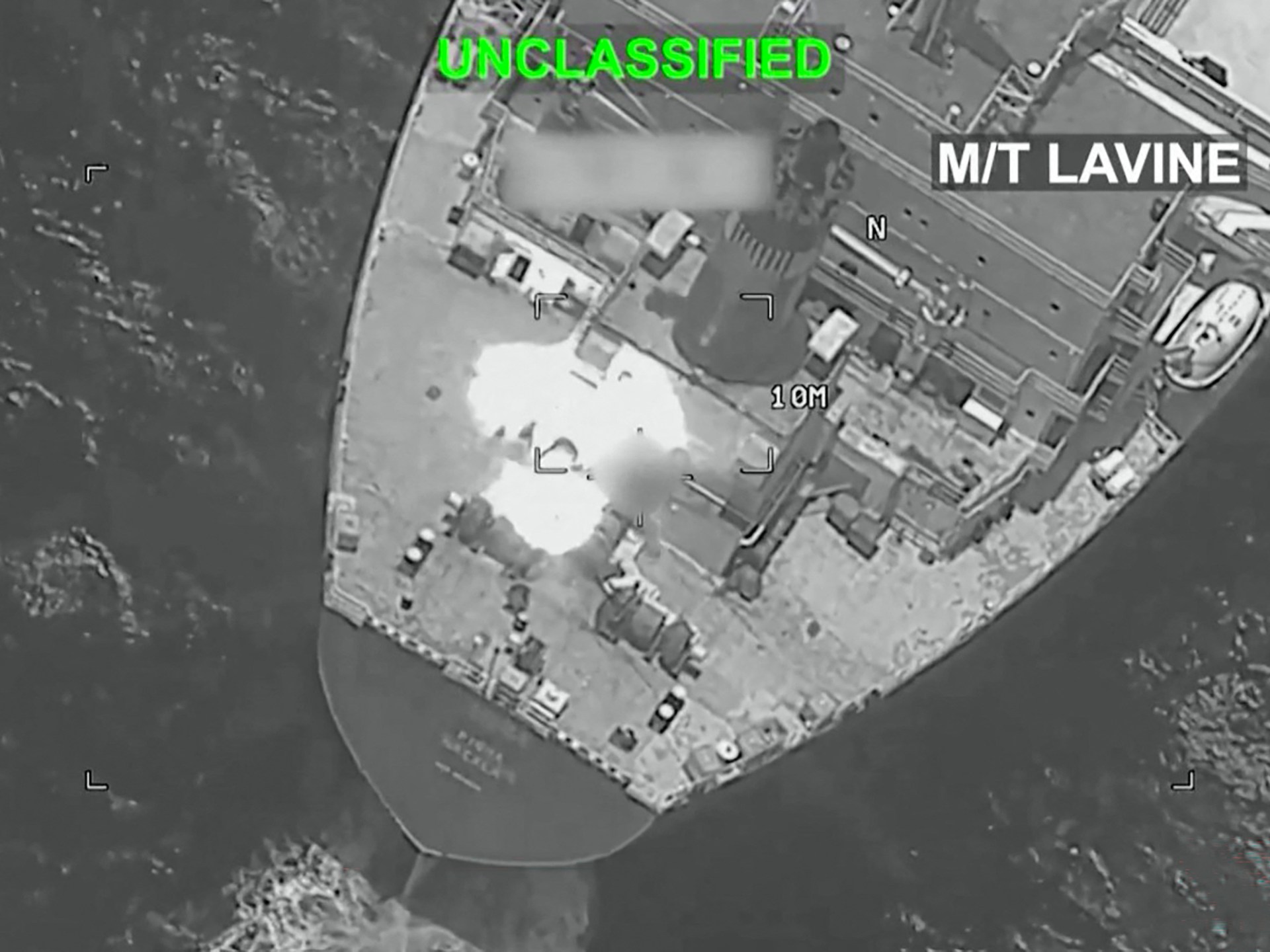
The trend is driven by the news that the U.S. military has paused airstrikes on Iran, raising speculation about a potential de-escalation or off-ramp in the months-long conflict. This sudden shift from sustained bombing to a pause, coupled with diplomatic efforts, has sparked intense public and media interest.
WASHINGTON — The U.S. military has paused its airstrikes on Iran after nearly two weeks of intensifying bombing, while diplomatic efforts have pushed forward to try to avert a return to all-out war, according to NPR.
The pause comes as the conflict, which began Feb. 28 with joint U.S.-Israeli strikes, reaches the five-month mark. Iran has retaliated by closing the Strait of Hormuz, a vital shipping lane for 20% of global oil, prompting renewed American attacks. President Trump has both threatened more strikes and said talks are ongoing, brushing off concerns over rising gas prices.
A regional official involved in mediation called the pause a 'positive signal' for de-escalation, but experts caution it is too early to read into the lull. 'If it turns into a multiday pause, that'll be something significant,' said Michael Singh, former senior Middle East director on the NSC.
The situation remains volatile, with Israeli Prime Minister Benjamin Netanyahu's planned visit to Washington next week adding another layer of uncertainty. Israel has been absent from recent U.S. strikes, which may signal an effort to limit the conflict, according to analysts.
Timeline
- War Begins
The U.S. and Israel launch joint strikes on Iran, marking the start of the conflict.
- Intensified Bombing
The U.S. escalates airstrikes on Iran after Iran effectively closes the Strait of Hormuz, a key oil shipping route.
- Pause in Strikes
The U.S. military pauses airstrikes; diplomatic efforts intensify to de-escalate the conflict.
- Five-Month Mark
The conflict reaches five months, with no clear resolution in sight.
Questions people ask
Why did the U.S. pause airstrikes on Iran?
The pause is part of diplomatic efforts to de-escalate the conflict, which began in February 2026. A regional official involved in mediation said the pause is a 'positive signal' for talks.
Is the war between the U.S. and Iran over?
No. The pause is temporary, and President Trump has threatened more strikes. Analysts say it is unclear whether the lull will lead to lasting de-escalation.
What role is Israel playing?
Israel was a co-belligerent at the start of the war but has been absent from recent U.S. strikes. Prime Minister Netanyahu is scheduled to visit Washington next week.
Join the conversation 0
Comments are reviewed before publishing.