Why it's trending
The trigger is the long-planned peak of two meteor showers on July 30-31, 2026, combined with news coverage from CNN and Forbes published on July 29 and 30. Because the near-full moon is making the display unusually challenging, outlets are telling audiences when and how to watch despite the moonlight. The upcoming Perseid peak adds extra interest, as skywatchers look ahead to a potentially better show.
Two annual meteor showers—the Southern Delta Aquariids and the Alpha Capricornids—peak overnight on July 30-31, according to the American Meteor Society, as reported by CNN and Forbes. The timing is unfortunate: a nearly full Buck Moon on July 29 will wash out faint meteors, making the display difficult for most skygazers. The Perseids are also active and will keep building toward their own peak in mid-August.
The Southern Delta Aquariids can produce up to 25 meteors per hour under ideal dark skies, Forbes reports, with the best views from southern latitudes. The Alpha Capricornids are weaker in number—about five per hour—but are known for bright, slow-moving fireballs. The American Meteor Society's outlook estimates morning overall meteor rates near 18 per hour at mid-northern latitudes in dark skies, though moonlight will reduce actual counts.
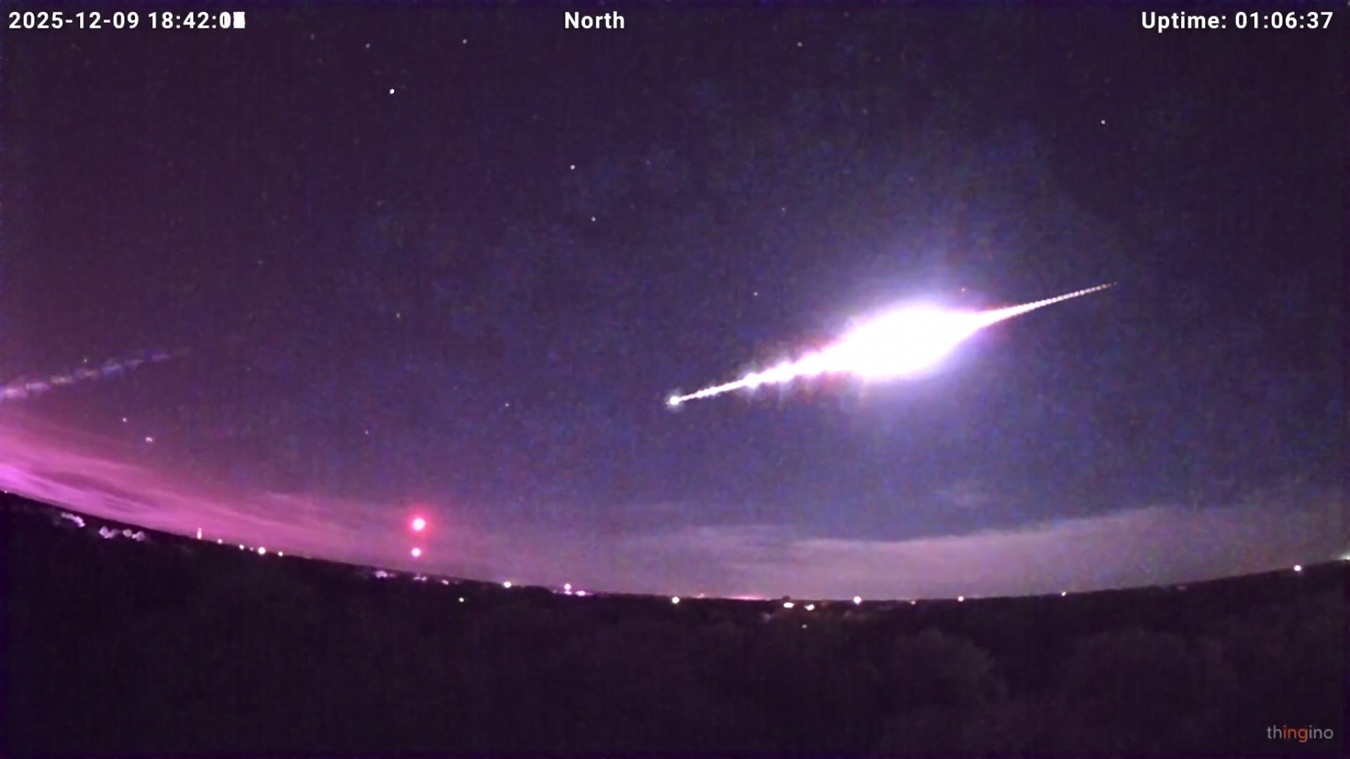
According to Bob Lunsford of the American Meteor Society, a full moon interferes with a meteor shower peak about every three years. CNN quotes NASA's Bill Cooke explaining that because the full moon stays up all night, meteors will be very difficult to see. In the Southern Hemisphere, the radiants are higher overhead, giving observers there a better chance. Lunsford suggests choosing a high elevation, facing northward with the moon at your back.
Even with moonlight, brighter fireballs from the Alpha Capricornids may still punch through. The next major opportunity is the Perseid shower, which Forbes says peaks on the night of Aug. 12-13 under moonless skies. Until then, the AMS notes that this weekend the moon will set earlier, allowing a couple of hours of dark-sky viewing—so patience and a dark site away from urban lights are the best tools.
Timeline
- Alpha Capricornids active
According to CNN, the Alpha Capricornid meteor shower is active from early July to mid-August.
- Southern Delta Aquariids active
CNN reports the Southern Delta Aquariids are active from mid-July to mid-August.
- AMS outlook notes dark-sky windows
The American Meteor Society said the moon would set early enough to allow a couple of hours of dark-sky viewing this weekend, with morning rates near 18 per hour at mid-northern latitudes.
- July full Buck Moon peaks
CNN and the American Meteor Society confirm the moon reached its full phase on Wednesday, July 29, and will hamper meteor visibility.
- Double meteor shower peak
The Southern Delta Aquariids and Alpha Capricornids both peak overnight on July 30-31, according to the American Meteor Society via CNN and Forbes.
- Perseid meteor shower peak expected
Forbes reports the Perseids will peak overnight Aug. 12-13, and this peak is expected to be moonless.
Questions people ask
When is the best time to watch the meteor showers?
The American Meteor Society's outlook suggests morning hours see more meteors: about 18 per hour at mid-northern latitudes under dark skies, versus about 3 in the evening. However, the July 29 full moon reduces rates, so the brightest meteors may be visible at any time the radiant is up. The two showers peak overnight July 30-31.
Why does the full moon make meteor showers harder to see?
Moonlight brightens the sky and obscures fainter meteors. NASA's Bill Cooke told CNN that with the full moon up all night, meteors are very difficult to see. Bob Lunsford of the American Meteor Society noted this kind of moonlight interference happens around every three years.
Can I still see the Alpha Capricornids' fireballs?
Yes. Forbes reports the Alpha Capricornids are weak in quantity—about five meteors per hour—but are famous for exceptionally bright, slow-moving fireballs that can stand out even in moonlight.
What about the Perseids?
The Perseids are already active and will continue to intensify, peaking on Aug. 12-13, according to Forbes. That peak is expected to be moonless, offering a better viewing window than the current double shower peak.
Join the conversation 0
Comments are reviewed before publishing.