Why it's trending
The first detection of H5 bird flu in Victoria and confirmation of local transmission in South Australia have triggered widespread media coverage and public concern. The virus's spread across multiple states and the emergence of misinformation on social media are driving search interest.
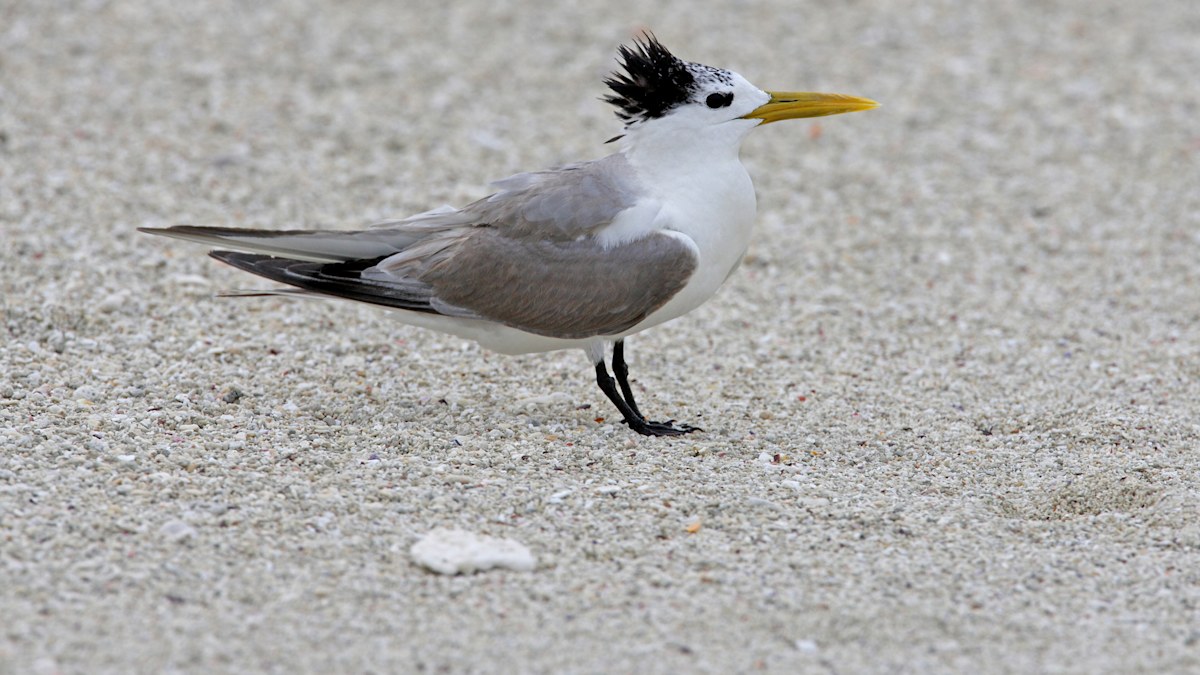
The deadly H5 bird flu strain has been detected in Victoria for the first time, after a sick greater crested tern was found in Portland. Agriculture Victoria confirmed the case, and genetic testing is underway at CSIRO's Australian Centre for Disease Preparedness. A concerned member of the public reported the bird to Wildlife Victoria on Tuesday, who then notified authorities.
This follows the first Australian detection in a migratory seabird in Western Australia last month. South Australia has now reported 11 suspected H5 cases among greater crested terns, with seven in the state's south-east and four on Kangaroo Island, indicating local transmission. SA Primary Industries Minister Clare Scriven confirmed the suspected cases. The virus is believed to be transmitting between birds in SA, sparking fears for endangered sea lions.
Victorian Farmers Federation President Ryan Milgate said the detection in a wild bird means commercial poultry flocks are unaffected so far, but the industry has been preparing for months. Authorities are urging the public to report dead or sick birds and not to touch them. Meanwhile, bird ecologist Dr Eric Woehler has debunked misinformation on social media, such as false claims that platypus are at risk. He confirms that dogs are susceptible and should be kept away from bird carcasses.
The situation is developing, with testing and monitoring ongoing. The risk to humans remains low, but the spread among wild birds increases the chance of poultry outbreaks. Officials advise keeping up to date via birdflu.gov.au. The broader implications include potential impacts on wildlife, tourism, and agriculture if the virus reaches commercial flocks.
Timeline
- First H5 bird flu case in Western Australia
The H5 strain was detected in a sick migratory seabird in Western Australia, marking the first known case in the country. Source: Nine.com.au
- Local transmission confirmed in South Australia
SA Primary Industries Minister confirmed 11 suspected cases among greater crested terns, with local transmission believed to be occurring. Seven cases in the south-east and four on Kangaroo Island. Source: Nine.com.au
- Sick bird reported in Victoria
A concerned member of the public contacted Wildlife Victoria about a sick greater crested tern in Portland. Agriculture Victoria responded and tested the bird. Source: Nine.com.au
- Victoria confirms first H5 bird flu case
Agriculture Victoria announced the tern tested positive for H5 bird flu. Genetic testing is ongoing at the CSIRO. Source: Nine.com.au
Questions people ask
Can humans get bird flu from this outbreak?
The risk to humans remains low, but authorities advise avoiding contact with sick or dead birds. No human cases have been reported in Australia. Source: Nine.com.au, government guidance.
Which animals are actually at risk from H5 bird flu?
Wild birds (especially seabirds), dogs (if they sniff or eat carcasses), and poultry are at risk. Platypus are not at risk; claims otherwise are misinformation, according to ecologist Dr Eric Woehler. Source: ABC News, Dr Eric Woehler.
Is it safe to eat chicken and eggs?
Yes, commercial poultry flocks have not been affected. The detected cases are in wild birds only. Authorities say the food supply is safe. Source: Nine.com.au (Victorian Farmers Federation President).
Join the conversation 0
Comments are reviewed before publishing.