The short answer
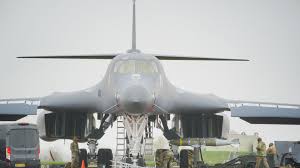
The B-1 bomber is a long-range, supersonic strategic bomber capable of carrying conventional and nuclear weapons. Its deployment by the U.S. comes as part of an intensified campaign of airstrikes against Iran, which began after a series of escalations including Houthi attacks on Red Sea tankers. The bomber's presence underscores the U.S. commitment to projecting power in the region and deterring further aggression against maritime trade routes.Why it’s trending
The B-1 bomber is trending due to its deployment amid the 12th straight night of U.S. strikes on Iran, as reported by multiple news outlets. The escalation has heightened fears of a broader conflict, with Houthi attacks on Red Sea shipping adding to tensions.
The United States has deployed a B-1 bomber as part of an intensified military campaign against Iran, now in its 12th consecutive night of airstrikes, according to Axios and CBS News. The bomber's deployment signals a potential escalation in U.S. military operations, as the strikes target Iranian-linked positions in response to ongoing threats to global oil trade.
The Guardian reports that Yemen's Houthi rebels have claimed responsibility for attacks on Red Sea tankers, further complicating the situation. The Houthis, backed by Iran, have been targeting commercial vessels in solidarity with Palestinians, disrupting a key maritime chokepoint. CBS News notes that the 12th night of strikes included targets in Iran and Yemen, aiming to degrade Iranian military capabilities and Houthi missile systems.
The B-1 bomber, capable of carrying a large payload of precision-guided munitions, has been used in previous conflicts in the Middle East. Its deployment now suggests the U.S. is preparing for sustained operations. The timeline of events shows a rapid escalation: from Houthi attacks on Red Sea shipping in late 2025 to U.S. airstrikes beginning in July 2026, with the B-1 deployment marking a new phase.
The broader implications include potential disruption of oil supplies through the Strait of Hormuz, as threats to tanker traffic have already driven up oil prices. Experts warn that the conflict could draw in regional powers and further destabilize the Middle East. The U.S. has stated it seeks to deter further aggression, but the sustained strikes indicate a protracted campaign.
Timeline
- Houthi attacks on Red Sea shipping escalate
Yemen's Houthi rebels begin targeting commercial vessels in the Red Sea, claiming solidarity with Palestinians. The attacks disrupt global trade routes.
- U.S. begins airstrikes on Iran
The U.S. launches the first of a series of airstrikes against Iranian targets, citing the need to protect maritime security and respond to Houthi attacks.
- 12th straight night of strikes; B-1 bomber deployed
The U.S. carries out its 12th consecutive night of airstrikes on Iran. Axios reports the deployment of a B-1 bomber, signaling a potential escalation. The Guardian notes Houthi claims of new tanker attacks.
Questions people ask
What is the B-1 bomber?
The B-1 Lancer is a long-range, supersonic strategic bomber used by the U.S. Air Force. It can carry a large payload of conventional and nuclear weapons and has been deployed in conflicts in Iraq, Afghanistan, and Syria.
Why is the U.S. striking Iran?
The U.S. airstrikes are in response to Houthi attacks on Red Sea shipping, which the U.S. attributes to Iranian support. The strikes aim to degrade Iranian military capabilities and deter further attacks on maritime trade.
What are the Houthis?
The Houthis are a Yemeni rebel group backed by Iran. They have been engaged in a civil war in Yemen and have recently escalated attacks on commercial vessels in the Red Sea, claiming solidarity with Palestinians in the Israel-Hamas conflict.
Join the conversation 0
Comments are reviewed before publishing.